This post comes out of sharing one of our experiences on dealing with insect bites on dogs and since insect bites are often misunderstood though it can be such a common reason behind sudden ailments in dogs/pets- what with most canines having a habit of sniffing around and poking their faces in the most wierd and strangest of places all the time for their pleasure. We are not offering any common solution to these cases but rather just wish to narrate our ignorance when suddenly faced with a situation like this in which we were left wondering what is wrong with the dog right till the time we reached the vet.
Wasp/bee stings on your dogs/pets could be dangerous and very painful to deal with: Contact a vet asap.
On 25th July, 2010 we were faced with a very confusing case of an approximately 7 month old young dog who suddenly started to yelp after splashing in the water placed in the water bath placed outside.
He started to run around with his tail pointed downwards and was pacing up and down in a frenzied manner.
Within about 10 minutes, he started vomiting and the vomiting continued at an interval of one each every 10 minutes for the next one hour and after that he vomited twice with portions of blood and phlegm in the vomit. All this while we were trying to flush his mouth with cold water and even trying to force feed him water in the hope that if he has ingested something wrong, the same will get drained out one way or the other but nothing helped improvise his condition.
We were deeply worried and called the vet, in any case it was a Sunday so the first vet we called refused to tell us anything on the phone!
We kept trying and then got through two of our trusted veterinarians- and then narrated the chain of events to them. They said the symptoms we were sharing point to case of the dog ingesting something ‘poisonous’. Both of the vets asked us to give him some vanilla ice cream but the dog won’t have or even lick any of it and the vomiting wasn’t stopping either.
We called the vet again.
They asked us to give a few drops of Perinorm syrup to the dog (Perinorm is supposedly a medicine that helps stop vomiting).
Perinorm did help stop the dog’s vomiting and he slept for the next hour or so and then we had another shock in store when the dog woke up and started licking himself, we suddenly noticed that his genital organs swelled and so did his lips and eyes which were getting drastically swollen by the minute. Effectively, all the mucous membranes were showing swelling.
We were then asked to give the dog a 50mg Avil tablet.
By then it was two and a half hours since our agony had started with the suffering dog the vet- nearest to us reached his clinic on a torrid Sunday afternoon (much ahead of his schedule) and we rushed the young dog to the clinic.
While we were taking the dog to the vet’s clinic in the car, he began panting and we noticed that there was a blood-red long sting bite mark on the left side of his tongue.
We reached the vet and finally we realised that the young dog had become a victim of a possible wasp/bee sting while he was splashing around in the water bath while drinking water from the same. Te doctor promptly gave the young dog a set of anti-histamine injections and within fifteen minutes, the swelling on his lips, eyes and genital organs subsided and the dog was visibly relieved and looking far more comfortable, though he was still a bit subdued and sluggish in his movements.
Then the vet suggested that we feed the dog a powdered ‘charcoal’ tablet soon after as charcoal tablets help cleanse the body of all toxins sticking on the surface of the internal organs, we promptly did so and the dog eliminated all the toxins (supposedly) in his next faeces (which obviously was dark and partly black in colour).
Dime-sized charcoal tablets have long been used to treat stomach ailments. These tablets contain no chemicals and deliver about 250 milligrams of charcoal in each tablet. NetDoctor, a website that commissions material from United Kingdom health professionals, says charcoal tablets can relieve flatulence, gassy bloating, heartburn and upset stomach by attracting excess gas in the stomach and intestines. The gas binds to the surface of the charcoal and the tablet is digested. According to NetDoctor, charcoal tablets can be used to treat drug overdoses and poisonings. The charcoal absorbs chemicals and toxins the same way it does excess gas.
The young dog was back to his usual self in a day or two soon after all the toxins were flushed and elimnated out of his body.
And so this basically sums up our first experience of dealing with a dog stung by a wasp/bee.
We would like to summarise and share the main learnings we had from this experience below:
1. Dogs are playful animals and are often found sniffing and exploring unusual places. They tend to sniff under the bins, below the ledges, dark and mysterious corners and love digging up the soil. These places are homes to a number of insects and these insects bite the unsuspecting, curious dogs.
2. Wasps and bees generally tend to bite/stung the animal at places where they have less hair, like the nose, mouth, lips and the chest area.
3. Symptoms to look out for: The animal becomes restless, starts vomiting/shows symptoms of diarrhoea, inflammation or swelling of eye lids, nose, lips, muzzle area. The other symptoms of insect bites on dogs like wheezing, weakness, unconsciousness, weak and thready pulse, increased heart rate and fever may cause the animal to go into shock. Other symptoms of insect bites on dogs might lead to cold extremities, trembling, wheezing and collapse.
4. Do not ignore an insect bite, it could be serious and cause a series of allergic reactions in the dog which may even be fatal!
5. Take the dog to the vet immediately while administering first aid on the way to the clinic.
One useful backgrounder article on the subject of ‘Insect Bites on Dogs’ may be accessed here .
For any further queries, mail us at contact@jaagruti.org
Shopkeepers of Aada Bazaar in Indore downed their shutters as a mark of respect for Lallu — a much- loved 15- year- old stray dog of the locality who died on July 17.
As the news of Lallu’s death spread like wildfire, area residents assembled to mourn the dog and decided to conduct his last rites (pic above). For, Lallu was no ordinary dog. Rakesh Kumar, who lives near the bazaar, said: “ Lallu used to follow the shav yatra (last journey) of the dead and spent his time with the deceased’s family for 12 to 13 days after that.” Not just that, the canine was different from his breed. Garages, parking areas and chairs were his favourite places to retire. And he gorged on ordinary food and was fond of Indian meals.
A local revealed that on the 13th day after Lallu’s death, milk and jalebis were served to the others dogs of the area.
By Dr. Ilona Otter, DVM, Clinical Director of WVS ITC (Worldwide Veterinary Service India Training Center)
Dr. Ilona is also the Honorary Veterinary Consultant of Niligiri based Animal Welfare Organisation called IPAN- India Project on Animals and Nature.
In the article below Dr.Ilona pens down a brief summary about rabies and stray dogs in India to answer some questions and matters that are brought up in various discussion forums. Dr. Ilona hopes that this information will help those who are struggling with the facts and myths prevailing around the topic.
1. Introduction
Rabies kills more than 55 000 people in the world every year (WHO website). India counts at least for approximately 20000 of the number of human deaths (WHO SEA report 2009). These are very sad statistics of a disease that is 100% preventable by vaccination.
The main obstacle in preventing canine and human rabies in India is the lack of sustainable centralized effort and the fact that rabies by law is not a notifiable disease.
Canine rabies control is also often only associated with voluntary animal welfare organizations or groups even though it is a matter of public health and should therefore receive high priority in the public veterinary services and also in human health care sector, being the most cost-effective way to reduce human rabies cases.
The AWOs role in rabies control is, however, very much needed. Especially because often they only have the necessary infrastructure and staff to carry out mass rabies vaccinations on the field and to educate public of the importance of regular rabies vaccinations for their dogs. However, a greater understanding among AWOS of the need of effective canine and human rabies control by massive and sustainable mass vaccination campaigns for the sake of animal welfare is required. The cruelty and ignorance that many stray dogs face has often its roots in the fear that people have for rabies. We can’t expect the majority of general public to love dogs as long as there is such a high risk for rabies.
2. Options for prevention of human rabies
Rabies causes a horrible death and once the symptoms start there is no cure. However, there are three ways to prevent rabies in humans; by preventing the transmission of the rabies virus within the host species and by treating all people that have been bitten by dogs of unknown vaccination status or by vaccinating people with pre-exposure rabies vaccines. Prevention of canine rabies by dog vaccination and the post-exposure treatment are discussed further in this text. Public education is a crucial component of both approaches.
a. Preventing canine rabies:
Modern vaccines to prevent rabies are all derived from tissue-cultures. The sheep-brain culture method is no longer in use. Reputed international medical companies (e.g. Pfizer and Intervet) as well as Indian immunologicals produces reliable rabies vaccines that provide protective antibody titres when stored and administered properly. One dose of rabies vaccine for dogs in India costs Rs. 25. The manufacturers recommend a booster vaccination every 1-3 years depending on the rabies situation in the area. To achieve herd immunity and sufficient vaccination coverage to prevent transmission of rabies virus, 70% of the dog population has to be vaccinated. It has been shown that even in developing countries where dogs commonly roam free, most of them are accessible to parenteral vaccinations when vaccination camps are planned and arranged properly (Kaare et al., 2007). Oral rabies vaccine baits can be used in areas where it is difficult to achieve an adequate vaccination coverage by injectable vaccines only, especially when the wildlife reservoir is important (Matouch et al., 2007). Oral rabies vaccines have been used for decades in many European countries to prevent rabies transmission from wild carnivores like foxes and raccoon dogs.
b. Treatment of humans by post-exposure vaccination
According to some estimates, approximately 500 000 people in India receive every year the post-exposure vaccination treatment that consists of 5 vaccine doses and costs Rs. 1500 (excluding the cost of general wound care, hospitalization and time away from work). According to M.K.Sudarshan’s survey (2007) the full cost of post-exposure treatment of humans that have been bitten in India is $25million.
Unfortunately, many indigenous treatments still prevail among rural communities and not even everyone knows to wash their wounds after being bitten. Poverty, lack of understanding of the need to start the vaccinations on the very same day and also lack of availability in the rabies anti-serum which is needed in the treatment of the most severe bites all contribute to the sad statistics of human rabies in India (Sudarshan, M.K., 2007).
While it is common to hear the parties that are against dogs to defend their standpoint by saying that when people suffer money should not be spent on dogs, it is worth noting that at least 30 million dogs in India could be vaccinated against rabies every year with the amount of money that is spent on the post-exposure vaccinations of humans. The estimated stray dog population in India is 8-20 million. The fact that major savings in the human medical sector are likely to occur when mass vaccinations of dogs start effectively taking place has been noted by several published reports (Cleaveland, et al., 2003; Lembo et al., 2010).
c. Experiences from the world
The often quoted claim that most dogs in Asia or Africa are stray dogs and not accessible to vaccination has been proven wrong as recently reviewed by Lembo. WHO-commisioned study of Tunisia, Sri Lanka and Ecuador concluded that “dogs which are not catchable by at least one person are rare and represent generally less than 15% of the dog population” (WHO, 1988). The same figure in India is not known but likely to be much higher. However, trained dog-catchers are able to catch dogs on the roads by catching nets and in more difficult terrains trap-cages can be used for catching.
Central-point vaccination programs that are announced before hand or door-to door vaccination teams have been able to reach to 80% of the dogs with a low as low as US$2/dog cost, as documented by several studies (Kaare et al., in 2007; Cleaveland et. al in 2003). In Nepal, 86-97% of dogs were accessible to parenteral (injectable) vaccination (Bogel, 1990).
In Mexico, human rabies cases declined to zero within ten years since mass vaccination of dogs started (Lucas et al., 2008).
In India, Jaipur is an example of a city where rabies control through mass vaccination and neutering of dogs has resulted in eradication of human rabies (Reece and Chawla, 2006).
In developed countries the low numbers of rabies cases are not the result of mass killing of dogs nor of spending millions in public medical care and post-exposure vaccinations. The secret for better than India rabies situations lies in the fact that rabies is a notifiable disease by law; dog vaccination to cover most of the dog population is a well-established practice, border control requires traveling dogs to be regularly vaccinated with a certificate of sufficient rabies antibody titre in the blood (Regulation (EC) No. 998/2003) , wild rabies from foxes and raccoon dogs is controlled by distributing oral vaccine baits in the forests and the habitat where garbage is not let in the open doesn’t support reproducing stray dog population.
3. What if ? – Elimination of dogs?
Elimination of absolutely all dogs, both owned and ownerless, both pedigree breed and mixed breed or country dogs, in India by killing them or banning them or by taking them to shelters is not possible. As long as there are enough susceptible individuals of the host species, virus transmission will continue. As long as there are free-roaming dogs somewhere, they will take the place of those that were removed.
a. Ecology and habitat matters
The poor garbage disposal system all over the country and the presence of chicken stalls and small butcher shops in and around the city markets and in the suburban surroundings means that there is edible waste for animals to feed and live on. If absolutely all dogs are eliminated by any method, it is likely that their place in the feast is taken over by another species, e.g. rats, monkeys, cats or wild pigs. All of them will carry their own risks for public health not to mention the harm that is caused if all that waste is just let to rotten below our windows.
Thieves are likely to become braver if a community or a colony does not have any watchdogs to guard the people and their property.
A zero-garbage city or even better the Zero-Garbage-India, would be an excellent benefit for the citizens in many ways, including the fact that stray/feral animal numbers would go dramatically down if there was nothing for them to eat on the roads and backyards. This is a challenge that the solid waste management department of every district in India should be made to take really seriously, by centralized incentive/penalty system if so required for compliance.
An observational report from the Wellington Cantonment, Coonoor, Tamil Nadu, by the Health Superintendant in 2010, states that since they started door-to-door collection of garbage in the civilian area of the Cantonment the dog population that used be very big has drastically declined.
b. Stray dogs in developed countries
Common policy in many western / developed countries is to take in all stray animals in shelters where they are neutered, vaccinated and then rehomed. Unlike in India, stray dogs in those countries are often actually strays, meaning they are run-away pets or abandoned pet dogs that would not survive on the roads on their own because there are no open garbage bins nor butcher shop backyards. As the numbers are limited, those animals can be taken in to rehoming shelters where they are neutered, vaccinated and rehomed to responsible owners.
Streets without stray dog problem in Singapore, Stockholm, San Francisco or Sydney are not the result of indiscriminate killing of thousands or millions of dogs but a fact that the problem has never risen to the extent because of different sanitary and ecological conditions, dog licensing programs, public education for responsible ownership and well-developed rehoming shelters.
4. Animal Birth Control program (ABC-program)
The objective of the ABC program is to reduce the population of dogs in a given area. To be effective in that, the work has to be intensive – 70% of the dogs should be neutered during one breeding cycle, that is during six months. This is possible but requires strategic planning and an experienced veterinary surgeon with trained assistants who can perform the operations without complications.
Dogs are territorial animals and therefore a small group of sterilized and vaccinated dogs protect and defend the community they live in from any outside dogs wandering in search for mate or new territory.
a. Role of ABC in rabies control
Having a dog neutered doesn’t prevent it from getting infected with rabies. Usually all the ABC programs include rabies vaccination to the operated dogs. However, the main benefit of the ABC program in rabies control is in the overall reduction of population growth. By doing ABC we aim to stabilize the dog population to a level where sufficient rabies vaccination coverage can be maintained by annual vaccination days. Success of ABC program in controlling the stray dog population has been demonstrated scientifically in India (Totton et al, 2010; Reece and Chawla, 2006).
However, whenever the pressure to prevent rabies is very bad, an effective mass vaccination campaign at first is the preferred option, followed immediately by intensive animal birth control program to maintain the vaccination coverage sufficient.
b. Population dynamics
Whenever and wherever ABC-program is judged not to work it is either that it has not even been implemented on that particular area or that it has not been implemented effectively enough. If only 200 dogs are operated from a population of 10 000 with great deal of media attention as the program starts, the public is likely to start questioning the sensibility of the program when they observe no results after a year. However, if two full-time teams are employed to work for six months they can achieve the required level of 7000-8000 neutered and vaccinated dogs and the impact is clear. Such a high volume campaign should easily receive media attention and have an impact in the public awareness meaning that people are likely to start bringing their pet dogs also for vaccination & for neutering, further improving the success of the program as less unwanted pet dog puppies will end up on the roads.
About the Worldwide Veterinary Service India Training Center
WVS India training center located in Ooty, Nilgiris, Tamil Nadu, is going to provide training for animal charities in arranging effective rabies control campaigns. The program consists of three modules that are to be attended by different people of the charity; managers, veterinarians and assistants/dog-catchers. While we initially target charities as participants, the courses will be open also for municipalities and corporations who want to train their staff to significantly reduce rabies in their areas for the benefit of the public.
The training center, known as the ITC, has an operation theatre for five surgeons to operate at a time, custom-made kennels to hold the dogs and several classrooms as well as dining and accommodation for 30 people.
Visiting foreign volunteer teachers as well as the experienced WVS ITC staff conduct the courses and all participating charities will be supported by advice, volunteers and materials to carry on the rabies control work in their areas after the courses. Participation is free of cost but a participating charity/municipality/corporation has to commit in implementing the rabies campaign as planned for that specific area during the course immediately after the training.
The opening ceremony of ITC is on the 28th September, the world rabies day. The center will be inaugurated by the Chairman of Animal Welfare Board of India, Dr. R.M. Kharb. While personal invitations will be send to the WVS associated charities and other key people in this field in India, we warmly welcome all interested people to join us for the ceremony.
Bogel K., Joshi DD (1990) Accessibility of dog populations for rabies control in Kathmandu valley, Nepal. Bull World Health Organization 68:611-617
Cleaveland, S., Kaare, M., Tiringa, P., Mlengeya, T., Barrat, J. (2003) A dog rabies vaccination campaign in rural Africa: impact on the incidence of dog rabies and human dog-bite injuries, Vaccine 21; 1965-1973
Lembo T, Hampson K, Kaare MT, Ernest E, Knobel D, et al. (2010) The Feasibility of Canine Rabies Elimination in Africa: Dispelling Doubts with Data. PLoS
Matouch O, Vitasek J, Semerad Z, Malena M.(2007) Rabies-free status of the Czech Republic after 15 years of oral vaccination. Rev Sci Tech. Dec;26(3):577-84.
Regulation, 2003 Regulation (EC) No. 998/2003 of the European Parliament and of the Council of 26 May 2003 on the animal health requirements applicable to the non-commercial movement of pet animals and amending Council Directive 92/65/EEC.
Sudarshan MK. Assessing burden of rabies in India. WHO sponsored national multi-centric rabies survey ( 2004). Assoc Prev Control Rabies India J 2004;6:44-5.
Reece, J.F., and Chawla S.K.(2006) Control of rabies in Jaipur, India, by the sterilisation and vaccination of neighbourhood dogs. VetRec. 16: 159 (12):379-83
Totton, S.C., et al., Stray dog population demographics in Jodhpur, India following a population control/rabies vaccination program. PREVET (2010), doi:10.1016/j.prevetmed.2010.07.009
WHO report; Rabies in the South-East Asia region, 2009
The above photograph was clicked and contributed to us by Kris Kumar on 5th July, 2010.
It was clicked at PVR Anupam-Saket, a multiplex in Delhi. In this small temple beneath a tree behind the multiplex where these two resident dogs with collars around their necks were sleeping peacefully, demonstrative of the relationship between GoD and DoG…
Contacting the Police on the Phone:
In an emergency situation telephone your local police station or dial 100 (Central Police Control Room) Get your “Ticket number” if you have dialled 100. Get the name and designation of the police personnel if you have called your local police station. Note the date and time on both occasions. If you wish to remain anonymous you do not need to reveal your identity.
At the Police Station:
i) Approach the police (above the rank of constable) politely and briefly explain the situation.
ii) Request them to take action against the offender.
iii) If they state it is not their job to protect animals as there are far too many human problems, politely enlighten them about their role in the PCA Act, 1960 (quote the relevant sections). If in Delhi, do tell them about the Delhi Police Act, 1978 Chapter IX entitled “the Prevention of Cruelty to animal”.
iv) Refer to http://awbi.org/awbi-pdf/apl.pdf for a compendium/factsheet of Animal Protection laws for the guidance of Police, NGOs, Animal Welfare Activists and Officers.
v) Insist on their involvement and offer your help.
vi) Inform them that the injured or distressed animal shelter and not left at the police station. This will reassure them.
vii) File an FIR if necessary.
viii) Do the necessary follow up.
ix) Do praise him/her after his involvement, no matter how small.
HOW TO FILE AN F.I.R. (FIRST INFORMATION REPORT):
• FIRs are filed at your local police station when you wish to put down in record an incident which you wish to bring to the notice of your local police and at the same time seek their help in solving it. (eg. loss of wallet, train ticket, incident, or any other loss).
• Make out a detailed description of the lost animal/incident with a photograph/s (or any cruelty complaint). Address it: to the SHO (Station House Officer), of your area.
• To file an FIR, write the facts on a plain piece of paper which you yourself may prepare in duplicate, with the date, your name and address, details of the complaint and the people involved, if any.
• The officer on duty at the police station is responsible for making all the necessary entries.
• The copy of the FIR should be duly signed, stamped and dated (note the time as well) by the police station which you should keep safely.
• This is applicable not only to lost animals, but to any animal you have found (which might be lost), cruelty to animals, illegal activities with regard to animals eg. trade in wildlife-bird sellers, snake charmers, turtle traders; illegal slaughtering of animals and illegal slaughter houses; bird sellers; cruelty to animals in zoos; circuses, pets/petshops etc.
• The Prevention of Cruelty to Animals Act, 1960 under section 11 covers a large number of cruelties and offences on the basis of which you could file FIRs.
• Insist on filing an FIR. It is your right. It is important to note that the police usually discourage the complainant from registering a FIR in cases which are not so clear. This is because once the FIR is filed, it becomes the responsibility of the police to ensure a conviction.
• Do not lose the stamped copy (by the officers on duty) of the FIR and keep enquiring about the progress. This copy is the proof that the Police have received the information.
• Please don’t forget about the well-being of the animals, make sure that you also contact an Animal Welfare Organization/activists to ensure that they follow up on the health status, rehabilitation/release of the animals in case custody.
Please share with us your experiences while dealing with the Police /lodging an F.I.R on animal cases, practical learnings end up being different than what we write here, so please be candid in your sharing for it may help someone at a later date when stuck in a similar situation. Thanks-Vasudha
On her regular morning walks, Pooja Gulati of Faraidabad was amused by the sight of 4 street dogs regularly sitting on the boundary wall of a house in Sector 21, Faridabad (Haryana, India). Their unwavering devotion to guarding the premises of this house and the street facing it pointed to the fact these street dogs indeed had human guardians taking care of them and that is how Pooja was introduced to Urvashi and her 4-legged family!
On guard! Chotu, Noni and Motu
Urvashi Sharma, graduated from Lady Shri Ram College in Delhi and moved to Fraidabad from Delhi 25 years ago. She is now a lecturer in English by profession and stays her parents.
Her bonding with the dogs on the street began when in her younger years, she along with her elder sister Neelakshi befriended a few of the street dogs…after her sister’s marriage, Urvashi carried the baton forward.
Today, there are 4 four street dogs who maintain a vigil outside Urvashi’s house. They have been loving named, Chotu, Chotti, Motu and Noni by her family and have been her friends for the past decade or so.
Urvashi is not only feeding the four of them on the street, she is also feeding and providing shelter to a female street dog named, Minni inside her house. On being asked about the possible cause behind Minni’s blindness, Urvashi shared that, ‘a few unruly boys in the street tried to pierce her eyes and that is what led her to lose their vision’.
Disability is no deterrent for Minni’s spirited personality; she now relies on her sniffing prowess and is a regular at going for her moring and evening walks. Urvashi’s retired parents guide her as she finds her way through the house.
Chiklu - Urvashi's Dachshund
Also sharing space with Minni at Urvashi’s home are her two pedigreed pets Chiklu, a Dachshund and Standlie, a Lhasa apso.
Initially (like many of us), she faced a lot of resistance from her neighbours towards feeding the dogs in her street. The neighbours knocked on her doors whenever the dog’s barked as well, not realizing that the dogs could well be barking on some unscrupulous elements that are walking past the street and scaring them away to keep the neighbourhood safe!
Street Dogs keep our streets safe from anti-social elements! (Cartoon Credit: Ajit Ninan and Vasudha Mehta)
Urvashi faced a tough time convincing and explaining them all the advantages and benefits the street dogs serve the society. But today, thanks to the Dog-feeding rules and growing awareness, things have gradually begun to show improvement.
For her these animals are an integral part of her world and caring for them is a journey that will never end…
In Urvashi’s words, “animals are a creation of God. We have no right to harm them. As human beings, the least we can do is respect them and their existence on this planet and in return be assured of their endless love and companionship, which makes each day memorable and worth living for us all”.
To watch a self-explanatory film on the Indian ABC Programmeusing your Facebook login, please click here, else watch it below.
Please Note:Through the feedback received thus far on this post, there is an apparent misunderstanding on the portion in this film’s beginning where street dogs are being cruelly captured using ‘tongs’ and since the narration of this movie is in Hindi rather than English, those confusions are obvious, hence in this regard we request you to please read our short clarification on the same below, prior to watching this film. Thanks.
“This film on the ABC programme does not in any way advocate the use of ‘tongs’ for capturing dogs for the purpose of sterilization, in fact this film was made in the beginning of this decade after the ABC programme was supported by the Supreme Court ruling and by High Courts across the country….and the translation (in English) of the narration behind that ‘tong’ portion in the early part of this video is that they are trying to show ‘the ways in which dogs were being caught bymunicipalities for killing purposes earlier’i.e prior to the start of ABC Programme’.
The use of such inhumane catching methods like tongs that you see the municipality catchers using in the beginning of this video is NOW illegal and horribly cruel. Up to 50% of dogs caught this cruel way die from internal bleeding.
Nowadays, people use the Net method or the Sack and loop method to humanely catch the dogs for transporting them to animal hospitals for sterilization purposes, this ensures that the animal is least traumatised during the whole process of it being taken away, even though momentarily, from its territory.”
Please support the Animal Birth Control/ABC Programme in your city by getting your neighbourhood street dog/community dog sterilized and vaccinated at a nearby Animal hospital in your area. Such programmes are supported by the local municipality or Animal Welfare Board of India. After the dogs are sterilized and vaccinated, under the ‘ABC’ Rules of the Indian Prevention of Cruelty to Animals Act, 1960, these street dogs are to be released back in the same area for where these dogs are born is where they belong. Sterilization of dogs makes them gentle and docile and also helps in controlling their population growth, which can not be controlled in any their way as, animals can’t use Birth Control measures like Oral Contraceptive Pills or Condoms!
"Dogs can't use Condoms" Get them sterilized (Image Courtesy: PETA India)
For more information on the purpose and process of Street Dog Sterlization/Animal Birth Control-ABC Programme in India, please read:
Based on a tale from Hindu mythology, the epic Mahabharata, this is the story of Yudhisthira, a pious ‘Pandava’ king whose place in Heaven is determined by his love for a dog. This animated film has been made by Mr. Wolf Clifton
Photograph by Tapan Mukherjee, courtesy Aajkaal, a Bengali daily (Dated 25th May 1996)
Photograph above: Three street dogs protecting a new-born baby abandoned in Kolkata on the evening of 23rd May, 1996. Below is an excerpt of a news report filed by Pinaki Mujumdar on the 25th May, 1996 edition of a Bengali daily, named ‘Aajkaal’ which carried the above hear-rendering photograph by Tapan Mukherjee.
This story was carried on the front page of this newspaper and did end up demonstrating the responsible ‘humane’ action of these three street dogs towards a human baby.
This is one of the best examples of sensitive journalism that was accompanied by sharp news sense.
A bright new born baby girl by the side of the dustbin. Sitting around her are three street mongrels. The same unchanging picture throughout the night. This unbelievable and inconceivable incident is not a scene from a screenplay. Nor is it the background to a story causing a sensation throughout the world. It is real-as unalloyedly real as light and air, life and death.This incident stretched at Hartokibagan Lane under Burtolla Police Station from the night of 23rd May, 1996 to 24th May, 1996 morning. Not just that, the three dogs followed like responsible guardians when some people of the locality rescued the new born baby girl and took her to the Burtolla Police Station. They had, unnoticed by all arrived at the door of the Officer-in-charge at Burtolla Police Station I.K Hossain as people were busy watching the baby, who had been put on the officer’s table, move her hands and feet. This scene did not elude the eyes of the policemen and the curious people present at the police station.
This report states that it was only around 2 pm on 24th May, 1996 , when the baby was put in a car to be taken to a f home for foundlings did these three street dogs walk back to their old neighbourhood, walkng slowly….
(Courtesy: Savage Humans and Stray Dogs, a book by Hiranmay Karlekar, Sage Publications 2008)
Protest tomorrow i.e 7th May, 2010 (Friday) by animal activists and concerned citizens at 3.30 pm at Delhi Jal Board Office – located at Jal Sadan, Opposite MCD Building, Shiv Mandir Marg , Near Jal Vihar Terminal at Lajpat Nagar-II, Delhi.
This is to demand strong action against those employees/people who are suspected to have rounded up 11 street dogs within the Delhi Jal Board compound and mercilessly cut and pierced them all to death.
Be there!
This gory incident is believed to have transpired in broad daylight on Sunday the 2nd May, 2010, between 2 to 3pm.
For more details of the incident, please click on the thumbnails below to enlarge the copies of the self-explanatory letter sent by Maj Gen (Retd) Dr. Kharb, Chairman AWBI on 5th May, 2010 to the CEO of Delhi Jal Board.
To prompt the officials into taking stern action against the perpetrators of this crime, you can write letters of strong protest to Mr. Ramesh Negi, the C.E.O. of the Delhi Jal His e-mail address is ceodjb@hotmail.com – and shame him into taking action.
His mailing address is :
Shri Ramesh Negi, Chief Executive Officer
Delhi Jal Board,
Varunalaya, Phase II, Karol Bagh,
New Delhi-110005
Please mark copies to:
Mr. B.P. Saraswat
Executive Engineer, South IInd
Delhi Jal Board, Jal Sadan Building ,
Near Shiv Mandir, Lajpat Nagar
New Delhi
&
The S.H.O.
Police Station Lajpat Nagar
New Delhi.
For the benefit of those who are unable to download/click open the above image files of AWBI’s letter, the soft copy of the mail sent by Maj Gen (Retd) DR. Kharb, Chairperson, Animal Welfare Board of India to to Mr. Ramesh Neg, CEO, Delhi Jal Board is pasted below:
SUB: SHOCKING BUTCHERY AT THE JAL BOARD BUILDING AT LAJPAT NAGAR
Dear Sir,
In my capacity as Chairperson of the Animal Welfare Board of India, a statutory body set up under the Prevention of Cruelty to Animals Act, I am writing to you to invite your attention to a shocking instance of butchery, and utterly brutal killings of stray dogs at the Jal Board office, Jal Sadan, Lajpat Nagar, on Sunday, the 2ndof May, a little after 2.00 p.m., that has come to light a little while ago. As information filters out, several agitated residents of Delhi are calling me up and demanding that the perpetrators of the criminal acts be brought to book.
Apparently, on Sunday, the 2nd of May, 2010, between 2 and 3 p.m., when 4 (four) guards, including one Ram Kher, were ostensibly guarding the complex, and 12 (twelve) Delhi Jal Board staff, including one Rakesh, and one Ashok, were on emergency water supply duty, and therefore present at the complex, and some canteen staff were also present, 5 to 6 miscreants easily breached the security and entered the complex ! We have learnt that they were probably from the adjoining Vinoba Puri area. Despite the sensitive nature of the installation – a Delhi Jal Board installation – they were allowed to enter. Thereafter, in connivance with the 4 guards on duty, and either some or all of the staff on emergency duty, the miscreants, and the guards, and some of the others brutally beat up and cut / chopped 11 community dogs (i.e. stray dogs resident at the complex), to a horribly painful death. Apparently, legs were broken, cuts were inflicted, and bodies pierced with bhalas and other sharp objects, before the poor, hapless animals died. Some dogs, in a desperate bid to escape, ran into the building. However, the guards, and some or all of the 12 staff of duty kicked and beat them out. They were then killed in the gruesome and horribly sub-human manner described above.
The Board has also learnt that thereafter, the flesh and some parts of the body of the poor animals that suffered and died were eaten/kept aside for eating later. Some animal remains were thrown into an adjoining area, and other remains and blood were strewn over the place at that time. What is shocking is that none of the persons present called up the police, or even the Number 100, clearly demonstrating that they were all participating in the act. It was only yesterday, and today, that the other employees learnt what had occurred, and informed some Animal Welfare Organizations and the Animal Welfare Board of India.
The Board would have you know that animal cruelty is an offence – under Section 11 of the Prevention of Cruelty to Animals Act, and Sections 428 and 429 of the Indian Penal Code – punishable with imprisonment and fine. The Animal Welfare Board of India shall of course be lodging a criminal complaint and taking legal recourse ; but I urge you as well to investigate, and take strong action against the employees who connived with the miscreants and perpetrated the heinous crime described above.
Please bear in mind that apart from the shameful slaughter of community dogs that the guards, and some/all of the employees present at the complex on Sunday, the 2nd of May, 2010, resorted to, a sensitive Jal Board installation was breached with impunity! The miscreants could have as easily mixed hazardous substances with water, leading to human casualties / illness.
What has occurred is serious enough to merit your intervention and strong action. Kindly do the needful, and please keep me informed.
Hands that help are better than lips that Pray! (Image Courtesy: Helping Hands-http://www.fsgp.org/storage/HH_Image.jpg)
Volunteer to provide quick medical relief to the dog who guards your street
A horrifying number of dogs and cats die because of lack of medical attention. This is all the more tragic because wounds and injuries are surprisingly simple to treat, once you’ve learnt how. Especially for very serious cases, the dog does not even need to be hospitalized. With your help, street dogs can live a happy and healthy life. Some of the most common problems that street dogs suffer from are skin infections, wounds and maggot wounds. All these can be treated easily on site, unless of course the symptoms or the injury are very severe when the dog needs to be taken to a vet or a shelter.
* Please note: This page will be regularly updated in both Hindi and English language for the benefit of those who care for their community dogs. However, it is to be noted that the information written in there is for informative purposes only. We request you to please do contact a veterinary doctor or take the animal to a shelter for thorough treatment if symptoms look grave.
For further queries or guidance, please write to us at contact@jaagruti.org or call on our helpline +91-9818 144 244
First Aid Kit:
Scissors, forceps, thermometer, chain to restrain the dog, tape to muzzle the dog (or buy a regular muzzle from a vet), adhesive tape, Gauze Bandages, cotton wool, bandages.
Medicines: Betadine Lotion and Ointment, Neosporin or Nebasulf powder, Himax Ointment (a miracle medicine for animals) or Skinoment, Betnovate Skin Cream, Soframycin skin ointment, Ivermectin – 10 ml vial, Topicure spray, Scabnil Oleo, Neem oil, antibiotic such as Cifran 500 mg (for 20 kg dog), Avil tablets (25 mg or 50 mg -depending on the age and weight of the dog), Petmosol soap, Ecktodex or Ridd, Ivermectin tablets, sulphur powder, camphor powder, boric powder, coconut oil, kerosene oil, Cetrimide Lotion (Anti-allergic wash from Piramal Healthcare)
SKIN DISEASESThis is the most common problem that dogs suffer from. In the first instance, try and avoid them getting skin infections by taking precautions. Give a pinch of sulphur in the dog’s food once a week. You can also give a neem tablet (from Himalaya Drug Co.) once a week which is most effective too. If we can help treat their skin infections, it would eliminate a great deal of suffering the dog undergoes. The most common diseases are mange and scabies and fungal infection. Most dogs can be treated at site. There are various treatments:
Treatment 1 (allopathic treatment)
If possible, give the dog a bath with Petmosol soap. (Repeat once a week till the dog heals).
Apply Ektodex 1 tsp in 1 litre solution (or as instructed on the bottle). Note: As this medication is poisonous, do not let the dog lick himself. Try and walk the dog till the medicine dries.
Antibiotics have to be prescribed as the constant scratching will have caused bacterial infections. Amoxycillin can be given 2 times a day for three days along with Vitamin B capsules. Avil can also be given to relieve the itching.
Treatment 2Do not apply this mixture on cats.
Mix Scabnil Oleo with an equal part of Neem oil.
Apply on the dog with a brush. Repeat every 4 days.
The main ingredient of Scabnil Oleo is karanj oil which is a powerful anti-fungal agent. Neem oil is also strongly anti-fungal.
Treatment 3(Home remedy)Warm Coconut oil and mix 10 cubes of camphor (camphor packet available in the market) and 1 tsp sulphur powder in it. Then put in 1 tsp Boric powder in it and then kerosene oil and cool the mixture. Apply the mixture on the dog’s skin, so that it reaches the hair roots. (You can clip the hair if you cannot reach the roots. You can keep this mixture in a small glass bottle and repeat it until the dog is healed.
Some general points for skin diseases.Treatment 2 is very effective for parasitic skin disease like mange or scabies. In general we have found Treatment 3 to be very effective in heat-related skin problems. This is because of the cooling properties of camphor. At the time of application this treatment may irritate the skin and make the dog restless, but this will pass off in an hour or two. Usually dogs do not try to lick these ointments because of the strong smell. However, to be on the safe side it might be a good idea to keep the dog muzzled during application.
WOUNDS (Prevention of maggot wounds)
You may be lucky enough to spot a wound before a housefly does. Do not neglect even a small wound especially if the dog cannot reach it to lick itsince they are the ones which very quickly become maggot infested. A gaping wound, however, is going to require stitches and the dog would be required to be taken to the vet. If it doesn’t, then you can treat it yourself.
2. Sprinkle Neosporin (or Nebasulf) powder liberally into the wound.
3. Put Himax on the wound liberally to keep away flies so that it doesn’t become a maggot wound. If the dog has a caretaker, try leaving Himax with him and tell him to apply it on the wound everyday until it heals.
MAGGOT WOUNDS. An open, round and deep wound with bleeding and which also gives out a foul smell are usually clear indication of a maggot wound (see image). Since it is a painful procedure, the dog must be muzzled when it is being treated. Do not treat head wounds but take the dog to a vet or a shelter.
You can also spray Topicure deep into the wound so that it irritates the maggots to emerge out. If maggots start to emerge, remove them with tweezers.
Then apply Nebasulf or Neosporin powder into the wound to heal and dry it. Next apply Lorexane cream and fill the wound with this.
The final and most important layer is the ayurvedic fly repellant Himax cream. Apply it liberally all over the wound so that flies do not get to the wound again.
The next day if you can treat the wound again, you will need to repeat the same steps again.
Once the wound is a pink colour, you can just sprinkle Neosporin powder in the wound and apply Himax liberally on top of it until it heals.
How to tie a muzzle to treat a dog?
Use a long strip of material or a tape (not adhesive or any sticky tape, please)
Place the strip of material on top of the dog’s nose.
Loop the material under the dog’s chin and tie it into a knot.
Bring the ends of the material back behind the dog’s ears and tie into a bow on top of the head.
Remember: Use the muzzle only for treating a dog for a few minutes as the dog can get overheated.
If you have more time at hand, please watch the videos below (uploaded on You Tube by Voice of Stray Dogs) and listen to Dr. Pavan, Founder of Cessna Lifeline Veterinary Hospital in Bangalore. He explains in this two part series as to how to attend to and intervene effectively on Medical emergencies in Animals
* Please note: This information is for informative purposes. Please do contact a veterinary doctor or take the animal to a shelter for thorough treatment if symptoms look grave. For further queries or guidance, please write to contact@jaagruti.org or call us on +91-9818 144 244
First Aid for Dogs- text translated in Hindi can be read below
कुत्तों के लिए प्राथमिक चिकित्सा
सड़क पर रहने वाले कुत्ते और बिल्लियाँ अक्सर उपचार के आभाव में मारे जाते हैं, यह बात बहुत दुखद: है, क्योंकि उनकी मृत्यु का कारण रहे घाव व चोटें आश्चर्यचकित रूप से बहुत आसानी से ठीक किये जा सकते हैं, एकबार आप ने सीख लिया की यह उपचार कैसे किया जाए विशेषतः कुछ गंभीर स्थितियों में, जब कुत्ते को अस्पताल में रखने की जरुरत नही होती, आप सडकों पर रहने वाले कुत्तों की सु:खद व स्वस्थ जीवन जीने में सहायता कर सकते हैं|
त्वचा सम्बन्धी संक्रमण, घाव व कृम घाव वे सामान्य समस्याओं में से कुछ हैं जिनसे सड़क पर रहने वाले कुत्ते सबसे अधिक पीड़ित होते हैं| इन सभी समस्याओं का आसानी से यथा स्थान उपचार किया जा सकता है (यद्यपि ये इतने गंभीर न हों की कुत्ते को पशुचिकित्सक या आश्रय स्थल में ले जाने की जरुरत हो )
प्राथमिक चिकित्सा किट (विषय-वस्तु):
एक बार आपके पास प्राथमिक चिकित्सा किट का सारा सामान हो तो आप किसी भी जरूरतमंद कुत्ते को समय पर चिकित्सा उपलब्ध कराने के लिए तैयार हैं | नीचे दी गई औषधियाँ साधारण रूप से कुत्तों के लिए हैं, और संग्रह करके भविष्य में उपयोग के लिए रखी जा सकती हैं | यह सभी औषधियाँ किसी भी पशु-औषधि विक्रेता के पास उपलब्ध होती हैं |
कैंची, चिमटा, थर्मामीटर, कुत्ते को बंधने के लिए चेन, कुत्ते का मुहं बंधने के लिए फीता (और पशु चिकित्सक के पास उपलब्ध नियमित मज़ल टेप खरीदें), चिपकने वाला टेप, गाज़, पट्टी रुई व टॉर्च. दवाइयाँ:: Betadine Lotion, Nebasulf or Neosporin powder, Himax Ointment (पशुओं के लिए एक चमत्कारी औषधि), turpentine oil and chloroform mixture), Topicure spray, Scabnil Oleo, neem oil, antibiotic such as Cifran 500 mg (for 20 kg dog), Avil tablets, Petmosol soap, Ecktodex or Ridd, sulphur powder, camphor powder.
घाव (बचाव कृम/मगट घावों से) आप भाग्यशाली होंगे यदि आप घाव को घरेलु मक्खी से पहले देख लें, छोटे से घाव को अनदेखा न करें यही घाव जल्दी कष्टदायक
इसके लिए आवश्यकता है: Betadine lotion, Neosporin powder, Himax ointment.
1. घाव को Betadine lotion से साफ करें 2. Nebsulf Powder या Neosporin Powder को उदारता से घाव पर छिड़कें 3.Himax घाव पर लगाएं यह मक्खियों को दूर रखेगा और घाव को कीड़ों वाला घाव नही बनने देगा| यदि कुत्ते की देखभाल करने के लिए कोई हो तो कोशिश करें की Himax Powder उसके पास रहे, उसे घाव पर लगाने के लिए कहें जब तक घाव ठीक न हो जाए|
उपचार के लिए कुत्ते का मुहँ कैसे बांधें
कपड़े व किसी पदार्थ की लम्बी पट्टी, नाड़ा व टेप (ध्यान रहे यह चिपकने वाला टेप न हो ) का प्रयोग करें
पट्टी को कुत्ते की नाक के ऊपर रखें |
पट्टी को कुत्ते की ठोडी के नीचे ले जायें व गांठ बाँध दें
पट्टी के दोनों सिरों कुत्ते के कानों के पीछे ले जायें कुत्ते के सिर पर एक बो बाँध दें |
कुत्ते का मुँह केवल उपचार के लिए कुछ मिनटों के लिए बांधें क्योंकि इससे कुत्ते के शारीरिक तापमान में वृद्धि हो सकती है, जो उसके लिए हानिकारक है |
त्वचा सम्बन्धी संक्रमण
यह सबसे साधारण समस्या है जो कुत्तों में पाई जाती है | सर्वप्रथम कोशिश करें की संक्रमण बचाव के द्वारा टाला जा सके | चुटकी भर सल्फर कुत्ते के खाने में हफ्ते में एक बार मिलाएँ, आप नीम की गोली (आयुर्वेदिक) दे सकते हैं जो बहुत ही प्रभावकारी है, यदि हम इनके त्वचा संक्रमण का उपचार कर सकें तो यह उस कष्ट को बहुत हद तक कम कर सकता है जिसे कुत्ता इस संक्रमण के समय सहन करता है MangeवScabiesवFungal Infection कुत्तों में सबसे अधिक होने वाली त्वचा की बीमारियाँ हैं|अधिकतर कुत्तों का यथास्थान पर ही उपचार किया जा सकता है, इनके विभिन उपचार हैं |
उपचार 1 (एलोपेथिक उपचार)
1. अगर सम्भव है तो कुत्ते को Petmosol साबुन से नहलायें (इसे हफ्ते में एक बार दोहराएँ जब तक कुत्ता ठीक न हो जाए) 2. Ektodex 1 लीटर पानी में 1 चम्मच (या बोतल पर जैसा निर्देशित है ) घोल कर कुत्ते के शरीर पर लगाएं |नोट: यह दवाइयाँ जहरीली हो सकतीं हैं, कुत्ता इसे चाट न पाए कुत्ते को जब तक चलायें जब सूख न जाए |3. Anti-biotic दवाइयाँ भी दी जानी चाहियें, क्योंकि कुत्ते द्वारा लगातार खुजाने से बैक्टिरिअल इन्फेक्शन हो सकता है |. Amoxycillin दिन में 2 बार दी Vitamin B कैप्सूल के साथ दी जा सकती है | Avil भी दे सकतें हैं |
उपचार 2. इस मिश्रण को बिल्लियों पर न लगाएं | Scabnil oleo को बराबर मात्रा में नीम तेल के साथ मिलाएं, कुत्ते पर ब्रुश की सहायता से लगाएं, हर 4 दिन में इसे दोहराएँ | Scabnil oleo में मुख्य सामग्री Karanj oil है, जो एक शक्तिशाली एंटी-फंगल एजेंट है |नीम का तेल भी लाभदायक एंटी-फंगल है |
उपचार 3. Sulphur Powder व कपूर बराबर मात्रा में अच्छी तरह मिलाएं इसमें नारियल का तेल डालें और मिलाएं, ध्यान रहे इसमें गाँठें न पड़ें, एवं मिश्रण तरल गाड़ा बने, यदि यह अधिक गाड़ा व गांठवाला होगा तो कुत्ते के शरीर से गिर जाएगा और अधिक तरल होगा तो यह कुत्ते के शरीर पर फ़ैल कर नही लग पायेगा| मिश्रण को कुत्ते पर सिर से पीठ की विपरीत दिशा में लगाएं ताकि यह बालों की जड़ तक पहुँच सके, इसे न रगड़े केवल पर्याप्त परत ही लगाएं | हर 4 दिन में इस प्रक्रिया को दोहराएँ जब तक कुत्ता ठीक न हो जाए |
उपचार २ पैरासिटिक त्वचा सम्बन्धी बीमारी जैसे Mange व Scabies में बहुत प्रभावशाली है सामान्य अवस्थाओं में हमने पाया है की उपचार नम्बर 3 गर्मी से संबंधित त्वचा की बीमारियों में प्रभावकारी है क्योंकि इसमे कपूर होने के कारण शरीर में ठंडक पहुचाने के गुण हैं, इसे लगाते समय
कुत्ते कभी-कभी कुछ असुविधा महसूस कर सकतें हैं, परन्तु यह एक से दो घंटे में सामान्य हो जाता है |अधिकतर कुत्ते इसकी तेज गंध के कारण इसे चाटते नही परन्तु फिर भी लगाते समय कुत्ते का मुहँ बांधना ही उचित है |
यदि त्वचा में से पस निकल रही हो तथा बाल झड़ना व खुजली के अलावा कोई और लक्षण हों तो कृपया किसी पेशेवर की सहायता लें, अधिक गंभीर समस्याओं में वर्णित उपचार काफी नही होंगें, यद्यपि अधिकतर स्थितियों में यह उपचार कारगर होतें हैं, यदि इनमें से एक मरहम काम न करे तो दो या तीन सप्ताह बाद दूसरा आजमाएँ |
त्वचा रोगों पर कुछ सामान्य बातें
पेट्स व कम्युनिटी पेट्स का एंटी-रेबीज व डिस्टेम्पर के टीकों से वार्षिक टीकाकरण इन खतरनाक बीमारियों को दूर रखने के लिए किया जाना चाहिए |
पिस्सू व चीच्चड़ – Notix Powder का उपयोग करें |
अपने पेट्स की हर 4 माह में डी-वोर्मिंग करें, इसके लिए Praziplus या Drontol Plus की एक गोली 15 kg के भार के कुत्ते को दे |
कुत्ते को गोली कैसे दें- इसके लिए सबसे सरल तरीका गोली को बर्फी, गुलाब जामुन या पनीर के बीच में रख कर दें | वे दवाई को इनके साथ ही निगल जायेंगे
सामान्य शारीरिक तापमान – 101.5F |
अतिसार–20 kg के कुत्ते के लिए 2 Dependol की गोलियां |सूजन (उदहारण के लिए पैर में व कुत्ता लंगड़ा रहा है ) यदि हड्डी टूटी है तो, कृपया कुत्ते को पशु चिकित्सक के पास ले जाएँ, यदि यह सिर्फ़ सूजन है तो Voveron की एक गोली दिन में दो बार जब तक दें जब तक की सूजन खत्म न हो जाए |
कृपया खुराक की मात्रा कुत्ते के आकार अनुसार तय करें |
*अस्वीकरण: यह सूचना मात्र जानकारी हेतु है, संदेह की स्थिति में कृपया अपने पशु चिकित्सक से सम्पर्क करें.
For further queries or guidance, please write to us at contact@jaagruti.org or call on our helpline +91-9818 144 244
“किसी भी राष्ट्र की पहचान इसी से होती है की उसके यहाँ जीव-जंतुओं से कैसा व्यवहार किया जाता है”
(Image Courtesy: Dr. Vinod Sharma’s Facebook Wall Post)
Monkey grooming his doggie friend
Its amazing how animals across different species can keep their differences aside and coexist so peacefully whereas homo-sapiens (humans) despite belonging to the same species find it so difficult to do the same!
“Happiness is not so much in having as sharing. We make a living by what we get, but we make a life by what we give.”
– Norman MacEwan
On a non-descript street called Bharat Ram Road, located next to the local police station in Old Delhi’s Darya Ganj area, live Birender and Sunil, two men who would be counted as being ‘poor’ by most that pass by them, but thereare life’s lessons to be learnt by seeing the way they live, which is by giving more than they get!
Birender is a night guard and car cleaner for cars on this street whereas Sunil is a 50 year old handicapped and dwarfed man who came to Delhi from Muzaffarnagar area in Bihar 30 years back. Sunil runs a stationary stall on this street, and he makes his living by selling chips and chewing gums, tobacco pouches and cigarettes, alongside running a recently set up phone booth.
Birender with one of the street dog he feeds
For the past 15 years, Birender who himself earns a paltry sum of Indian Rupees 2500-3000 per month (US dollars 50-60), has been spending a part of his earnings in feeding over 20-25 street dogs that inhabit this street and area adjoining his rented one room quarter in Ferozeshah Kotla where his teenage son stays. Not only does Birender feed all these dogs religiously every night but he along with Sunil also spends on their medicines and ointments should anyone of them fall sick or get injured by any of the cars that hit them. Over these years, both of them have healed many a broken bones, swollen limbs of these street dogs to recovery.
Who would understand the pain of these handicapped dogs better than Sunil who is inflicted with polio too and thus, can’t stand on his legs and walks using his deformed hands. For Birender tending to his canine mates is his moral responsibility towards keeping his faithful companions fit and fine as they are the ones who bark and scare away many a robbers and drug addicts who try stealing and damaging the cars that he guards for at night.
Birender came over from Nepal to Delhi in 1991 with his family which included his wife and a son. For four years thereafter he worked as a security guard with various shopping streets in Darya Ganj before making Bharat Ram Road his chosen workplace. From then on, he has been guarding this street like his very own and earns his living by the amounts that get paid to him by people inhabiting the street in lieu cleaning their cars by daytime and guarding them at night.” “And from then on, these street dogs have been my companions”, said Birender.
In the interim period, Birender lost his wife and the responsibility of raising his young son, Binod also fell on his shoulders. “These dogs helped me overcome my loneliness and depression, they give me unconditional love, respect, don’t ask me questions, neither do they ridicule or mock at me, thus, they are my friends and I am theirs”, said Birender when asked about his special bond with his canine cohorts.
Every evening at round 6 pm, you could see Birender kneading the dough and next to him, you would find his Kerosene oil–based cooking stove. Every day Birender knead roughly 1 kg of wheat flour into dough, this cost him about Rs.18 per kg. He makes rotis (Indian breads) for his son and his dogs on the same stove with parity. “Thick and Thin, I end up cooking about 100 rotis per day and that gives all of us i.e. me, my son Binod and the dogs a minimum of 2-3 rotis to fill our stomachs with easily”, he said. “When I get lucky with a tip or two from one of my customers, then that day, I feed the dogs with some milk as well along with the rotis, else I serve them dry”, added Birender.
A black street dog sitting next to Birender’s kerosene-based cooking stove
By this time, Birender’s teenage son Binod also dropped by to pick up his rotis for the day from his father and also hand him over the cooked vegetables and pulses. Binod stays in the rented room that cost them Rs.500 a month while Birender stays next to Sunil’s stall while going to the rented room off and on. ‘That’s for my son to do his studies in peace”, explained Birender.
Binod – Birender’s teenage son
Though not educated himself, Birender is spending on his son’s university education, both via a university degree studies through correspondence and by getting him technically trained by admitting him in the state run Technical Institute for a 2 year Diploma Course which costs him Rs.1200 for a 6 month semester.
“I admire my father for the way he looks after so many animals. He is a great father who has toiled extremely hard to bring me up and educate me. He never forced me to into child slavery, instead got me educated”, exclaimed Binod proudly when asked about his father.
As we spoke, one by one, Birender’s canine buddies assembled for their meals. When asked off their names, Birender answered that, they had none! “They just come when I call them, I need no names, and they understand my language”. That’s what is referred to as the language of love that needs no words…I also noticed that most of these street dogs were sterilized and vaccinated against rabies as identified by the notch on their ears, perhaps done so under the city municipality’s Animal Birth control or ‘ABC’ Programme.
Three legged brown dog
A brown colored three legged dog was amongst the first ones to come over for his meal. When asked about him, Birender explained, “He was hit by a speeding car that drove over one of his legs. We helped dry the wound. Slowly the flesh and bones rotted away and one day this leg got amputated on its own. He is doing fine now as you can see”.
Then I met another disabled black dog who had a hump on his back. How did that happen? To which Sunil answered that, “a neighbourhood guard hit him on his back with a bamboo stick. He could not walk for days, perhaps paralyzed in his spine. We rubbed Voveron ointment every day and gave him pain relievers. We are happy that at least he can walk on his feet now, despite the limp and the hump”.
Sunil is a person who values his self-respect; despite being handicapped he has never begged for mercy or sought favours. “Everyone treats me with respect, even the local policemen who drop by at my shop, never pay me a dime less than what I ask. Gupta ji, a retailer living nearby helps bring stuff from my shop as I can’t travel around and I pay him for that”.
Sunil on his cushioned couch, next to his street shop
“This chair was gifted to me by Rajat bhai (a neighbourhood resident he refers to as a brother). I feel like a king sitting on it, it is very comfortable”, said a smiling Sunil pointing his hands towards the cushioned chair he sits on.
Despite their hardships, all these men live contended lives. They have large hearts with abundant love and genuine smiles!
Meeting benevolent souls like Birender and Sunil reaffirms the wise old saying that, “one doesn’t get rich by what we have; we get rich and happy by what we give and share!”.
As I make my journey home, I observe an unknown lady dressed like a labourer walks across Darya Ganj’s Mother Dairy (Milk Booth) and buys packets of milk, opening one each in crates outside the Dairy outlet, two cats come to feed from the crate on the top of the pile whereas two street dogs sip milk from the crate on the floor. As I try to stop the lady and check in on who she is, she disappears into oblivion and darkness of the night. The Milk Booth officer tells me, that she comes and does this every evening. I am humbled.
The cats and dogs feeding in milk crates next to Milk Booth
Giving joy, care or love to someone doesn’t require a reason.
Experience the joy of unconditional giving by sharing what you have, for it is the joy that we give to others that ultimately comes back to us.
Street Dogs in India are known to be the most intelligent dogs in the world..no wonder police commissioners in many states have instructed local police stations to befriend the neighbourhood street dogs so that they can alert them to the threat of attack by naxals or other anti-social elements.
There have been cases reported of terrorists in Jammu and Kashmir resorting to killing village dogs prior to infiltering into a village to set up base. Now, the below news clipping (February 26th, 2010 dated news clipping in The Times of India, Chennai Edition) points out to what Naxals are resorting to ahead of police actions, the Maoists are killing street dogs and pets because they bark at them for obvious reasons and that ends up alerting the police of their presence.
One would think that only innocent people are being targeted by the Naxals and the Terrorists, well, that’s not true, no one knows how many dogs have lost their lives at their hands uptil now. The terrorists and naxals are known to kill street dogs before they plan an assault/attach on a human residential area. This is because street dogs being so territorial and guarding of their area will bark at the first ‘sniff’ trouble/threat that they sense from ‘outsiders’. So, please understand that the street dog you may be maligning or terming a nuisance, just because it barks, is not ‘barking without a valid reason’, he is guarding your homes, the streets in the neighbourhood from untoward people and incidents and alerting you instead. So, the next time you hear a dog barking, make an effort to understand whom he is trying to warn you against and be vigilant.
Hail the Indian street dog!
Make an effort to look at your community street dogs with a bit of respect and also look after them, for unknown to many of us, they keep many of us safe from unwanted elements, robberies and thefts.
(Pics Credit and Courtesy: Prashant Ravi/BBC News)
केंद्र सरकार के माओवादियों के खिलाफ छेड़े गए ‘ऑपरेशन ग्रीन हंट’ के चलते, लगभग तीन हफ्ते पहले, पश्चिम बंगाल में पश्चिमी मिदनापुर, लालगढ़, बांकुरा, पुरुलिया और बर्दवान के अनेकों गाँवों में माओवादियों द्वारा एक अनोखा ‘फतवा’ जारी किया गया. इन गाँव में रहने वाले लोगों और आदिवासियों को कहा गया कि ‘वह अपने इलाके के सारे पालतू और सड़क के कुत्तों को मार डालें नहीं तो उन्हें मार दिया जाएगा’.
इसी फतवे के डर से, और अपनी जान बचाने के कारण या तो कई लोगों ने अपने हाथों से अपने द्वारा लाड-प्यार से पाले गए अपने कुत्तों के खाने में ज़हर मिलाकर उन्हें मौत की नींद सुला दिया या फिर बेलपहाड़ी गाँव के निवासी तरुण सेनगुप्ता कि तरह अपने कुत्तों को अपने रिश्तेदारों के पास दूसरे गाँव में भेज दिया. एक तरफ अगर पश्चिम बंगाल के सिलदा गाँव में लगे पुलिस कैंप में दिन-दहाड़े माओवादी हमला कर बीसियों पुलिस वालों को मार-गिरा सकते हैं, तो ऐसे में आखिर गाँव वाले करें भी तो क्या- अपनी जान बचाएं या अपने कुत्तों की?
माओवादी आन्दोलन का जन्म 1967 में पश्चिम बंगाल के ही नक्सलबाड़ी गाँव से शुरू हुआ था जिसने आज इतना आतंकी रूप ले लिया है. अब सरकार और माओवादियों के बीच में बैर क्यों है, यह तो हममें से कई लोग जानते हैं, पर आखिर पालतू एवं गली के कुत्तों से इन नक्सलियों का क्या बैर है? इसका कारण है सिर्फ एक, अपने इलाके में बसने वाले इंसानों के द्वारा डाले गए भोजन से पलने वाले यह कुत्ते इन गाँव-बस्तियों के गैर-नियुक्त चौकीदार बन गएँ हैं, जो बड़ी वफादारी से अपने इलाके कि बाहरी, असामाजिक तत्वों से सुरक्षा भी करते हैं और इन्हें अपनी बस्तियों के आस-पास होता महसूस कर भौंक उठते हैं. कुत्तों की इसी भौंक से ना केवल गाँव वाले बल्कि इन माओवादियों के खिलाफ जुटी पुलिस और सैन्य बालों के कर्मचारी भी चौकन्ने हो जाते हैं. पिछले महीने में पश्चिम बंगाल में ही हुई ऐसी दो वारदातों के घटते शायद माओवादियों ने ऐसा फतवा जारी किया, क्योंकि अब इन कुत्तों की मौजूदगी इनके लिए घातक साबित हो रही थी. यह दो वारदातें अज्नाशुली और सालबोनी जिलों में हुईं थी, जिसमे कुत्तों के भौंकने से चौकस हुए पुलिस दस्तों ने कई माओवादियों को ढेर कर दिया था.
यह वारदातें अनोखी नहीं हैं. अनेकों बार इंसानों के सबसे वफादार दोस्त माने जाने वाले इन ‘गली के कुत्तों’ ने लोगों को चोर, लुटेरे, आतंकियों से चौकन्ना करने में मदद की है. इसका एक ताज़ा उदाहरण आगरा शहर से भी है. जनवरी महीने में ईदगाह और मोहनपुरा इलाके में दो दिन में 25 से अधिक कुत्ते मारे गए, जांच-पड़ताल करने से सामने आया कि शायद इन कुत्तों को चोरो के एक गुट ने ज़हर देकर मार डाला है, क्योंकि इनके रात को भौंकने कि वजह से वह चोरी नहीं कर पा रहे थे. इस इलाके के निवासियों कि बात माने तो इन कुत्तों के मरने के उपरान्त इस इलाके में चोरी की ढेरों घटनाएं हो चुकी हैं. इन से पहले भी ऐसे कई किस्से सुनने में आयें हैं जब पंजाब और जम्मू-कश्मीर में भी सीमा-पार से घुसने वाले घुसपैठिये और आतंकियों ने अपने डेरे डालने से पहले गाँव के कुत्तों का खात्मा किया है, ताकि वह सेना के जवानों को अपनी भौंक से सचेत ना कर दें…अशांत इलाकों में जमे भारतीय सेना के अनेकों दस्तें अपने कैंप के आस-पास बसे कुत्तों को खाना डालते हैं, और इनसे दोस्ती करते हैं ताकि किसी भी खतरे या हमलावर की मौजूदगी का आभास होते ही यह कुत्ते भौंक कर उन्हें होशियार कर सकें.
2003 में बिहार के जेहान्नाबाद शहर से 40 km दूर स्तिथ परैया गाँव की पुलिस चौकी पर हुए माओवादी हमले में 3 पुलिसकर्मी मारे गए थे. इसके बाद अपनी सुरक्षा के संसाधनों के आभाव से झूझ रही परैया पुलिस ने दस्त लगाते वक़्त गली के कुत्तों का सहारा लेना शुरू किया. सुनने में यह आया था कि इस छोटे से पुलिस चौकी के कर्मचारियों ने अपनी तन्ख्वायों में से पैसे बचा चौकी के पास रह रहे गली के कुत्तों को रोज़ ड़ाल-चावल और रोटी डालते हैं. गौर फरमाने कि एक बात यह भी है कि आज भी हमारे देश में हज़ारों गाँव में बिजली नहीं पहुंची और नक्सल-पीड़ित इन जंगल वाले इलाकों में जो बिजली पहुँचती है वह भी ना के बराबर है. ऐसे में इन पुलिस चौकियों पर तो रात को बिजली होती ही नहीं है, और इसी कमी का फायदा माओवादी संघटन रात को उठाते हैं और अंधरा होने पर वह इन पुलिस चौकियों पर निशाना साधते हैं. तभी रात को चुस्त-दरुस्त रहने वाले इन गली के कुत्तों की भौंकने की आवाज़ सुनते ही, यह पुलिस कर्मी होशियार हो जाते हैं और अपनी टोर्च जला लेते हैं. एस करके उन्हें अपने आपको माओवादियों से बचाने का मौका पा लेते हैं.
गृह मंत्रालय और Bureau of Police Research and Development ने भी 2003 में झारखण्ड के नक्सल-पीड़ित इलाकों में स्थित बैंक और डाकघरों को लाइसेंसधारी गार्ड और कुत्तों को रखने कि सलाह दी थी. विलायती कुत्तों के महंगे होने के कारण इन्हें रखना और ट्रेन करना हर किसी के बस की बात नहीं है, इसलिए यहाँ के कई बैंकों और डाकघरों ने पड़ोस में रह रहे गली के कुत्तों को खाना डालके इनसे दोस्ती कर इन्हें ही अपना रक्षक बनाया और अब यही दिन-रात चौकीदारों के साथ मिलकर इन इमारतों की सुरक्षा करते हैं. मई 2005 में आंध्र प्रदेश में हैदराबाद से 340 किलोमीटर दक्षिण की और स्थित ‘दुर्गी गाँव’ में गली के कुत्तों के भौंकने से सतर्क हुए पुलिसकर्मियों ने पुलिस कैंप को एक बड़े माओवादी हमले से को बचा लिया था. इस घटना के बाद तब आंध्र प्रदेश पुलिस के डी.आई.जी स्वर्णजीत सेन ने नक्सल-पीड़ित इलाके में स्तिथ पुलिस चौकियों के पुलिस कर्मियों को आदेश दिए थे कि वह अपनी चौकियों के आस-पास रह रहे कुत्तों को रोज़ खाना ड़ाल उनसे दोस्ती बढाएं, ताकि पुलिस चौकियों को माओवादियों के हमले से बचाया जा सके. जैसा कि अक्सर देखा गया है, पुलिस चौकियां और सैन्य बलों के कैंप ही माओवादियों के धावा बोलने के मन-पसंद निशाने हैं.
छत्तीसगढ़ प्रांत में तो इन गली के कुत्तों ने इतिहास ही रच डाला और अप्रैल 2009 में बस्तर ज़िले में आम-चुनावों के दौरान तेजा, करीना, सैली और लिली नामक चार गली के कुत्तों ने पुलिस वालों के साथ इस घने जंगल वाले इलाके में तब मोर्चा संभाला जब माओवादियों ने इस इलाके में ढेरों भूमिगत विस्फोटक मैईन (landmine) बिछा दी थीं और गांववालों को आम-चुनावों का बहिष्कार करने को कहाँ था…. एक सच्च यह भी है कि नक्साली इलाकों में 95 प्रतिशत सुरक्षाकर्मियों कि मौत IED फटने से होती हैं. इन चारों कुत्तों कि इस अनोखे मुकाम तक पहुँचने की कहानी कुछ ऐसे है -माओवादी गतिविधियों से प्रताड़ित इस राज्य में 2005 में छत्तीसगढ़ सरकार द्वारा CTJWC (Counter Terrorism and Jungle Warfare College) की कांकेर ज़िले में स्थापना की गई. इसकी अध्यक्षता संभालने के लिए छत्तीसगढ़ सरकार ने भारतीय सेना से सेवा निवृत हुए ब्रिगेडियर बी.के. पोंवर को बुलाया, जो इससे पहले मिज़ोरम में सेना के विख्यात Counter insurgency and Jungle Warfare School की अध्यक्षता संभाल रहे थे. जुलाई 2007 में CTJWC के कैम्पस में घूमते हुए उनकी नज़र चार हृष्ट-पुष्ट गली के कुत्ते के पिल्लों पर पढ़ी. उन्होंने इन पिल्लों को उठाया और इन्हें CTJWC में Sniffer Dog की ट्रेनिंग देने वाले दस ट्रेनरों के हवाले कर दिया. आम तौर पर Sniffer Dogs की भूमिका के लिए विलायती pedigreed कुत्तों को ट्रेन किया जाता है (जैसे कि- लाब्राडोर, अल्सेशियन, जर्मन शेफर्ड, कोकर स्पेनियल और डोबेर्मन). पर इस बार पोंवर साब ने गली के कुत्तों को 9 महीने के कड़े ‘कुत्तों के IED (Improvised Explosive Device) Detection Training कुरसे’ में इनका दाखिला करा दिया. 9 महीनों की कड़ी ट्रेनिंग के बाद, यानी 1 अप्रैल 2008 को, यह चार पिल्ले – करीना, लिली, तेजा और सैली CTJWC के इस ट्रेनिंग कार्यक्रम से स्नातक होकर निकले. इस ट्रेनिंग में उन्हें ज़मीन में 6-12 इंच नीचे दबी IED को सूंघ के पहचानने की ट्रेनिंग दी गयी थी. इन चारों की काबलियत से प्रसन्नचित होकर दो और गली के कुत्तों- रामबो और मिल्ली को ट्रेनिंग course में शामिल कर लिया था…और यह तो बस शुरुआत है.
पिछले साल बस्तर ज़िले में चुनाव वाले दिन CTJWC के अध्यक्ष बी.के. पवार ने पत्रकारों के साथ हुई एक बातचीत में इन गली के कुत्तों की माओवादियों से निपटने में सक्षम होने की खूबियों पर प्रकाश डाला. उन्होंने बताया कि गली के कुत्तों को ऐसे कार्यों में ट्रेन करने के अनेक फायदे है, पहला यह कि जहाँ कुत्तों की pedigreed प्रजातियों के पिल्ले बाज़ार में 85,000-1,25000 रूपये प्रति मिलते हैं, जबकि गली के कुत्ते मुफ्त हैं! इसके इलावा यह गली के कुत्ते होशियार हैं, समझदार हैं, चुस्त-दरुस्त हैं, रात को भी ऑपरेशन के दौरान इनकी आँख नहीं लगती और यह सतर्क रहते हैं..साथ ही इन्हें इन इलाकों के अधिक तापमान में रहने कि आदत है, घने-जंगली और मुश्किल इलाकों में यह स्फूर्ति से घूम-चल पाते हैं..यहाँ तक कि कभी कभी एक दन में 25 किलोमीटर तक चलने में भी यह गली के कुत्ते सक्षम पाए गए हैं और नक्सल पीड़ित जंगली इलाकों में घूमते वक़्त ना तो यह गर्मी से परेशान होते हैं और ना ही बीमार होकर वेट डॉक्टर का खर्चा बढ़ाते हैं..अक्सर गर्मी के कारण अल्सेशियन और लाब्राडोर कुत्ते (sniffer dogs) जंगल में बीमार पड़ गए हैं, जिससे पुलिसकर्मियों को कभी-कभी परेशानी हुई है..क्योंकि कई बार नक्सालियों के खिलाफ कार्यवाही कई दिनों तक जंगल में चलती है और बीमार कुत्तों को लेकर घूमने में परेशानी भी हो जाती है…ऐसे में पोंवर साहब कहते हैं, “आखिरकार यह गली के कुत्ते लोकल हैं, अपने इलाके से प्रेम करते हैं और इसकी सुरक्षा के प्रति वफादार हैं, यह हमारी नाक नहीं कटवा सकते. साथ ही हमें यह समझना पड़ेगा कि अशांत, आतंक और नक्सल पीड़ित इलाकों में तो वृद्धि हो रही है और sniffer dogs की मांग और आपूर्ति में भारी अंतर है, इसलिए ऐसे में गली के कुत्तों के समझदार होने का, इनके असामाजिक तत्वों से निपटने में निपुण होने के कारण हमारा इन कुत्तों का सुरक्षा सम्बन्धी कार्यवाहियों में इस्तेमाल करना एक समझदारी पूर्ण निर्णय होगा”.
माओवादी इलाकों में तैनात हमारे पुलिस दल की हालत तो फिलहाल खस्ता है, आये दिन किसी न किसी के मारे जाने या सर काटने की खबर सुनने को मिलती है…हमारे पुलिस कर्मियों और सैन्य बालों के हत्यार पुराने हैं और अन्य संसाधनों की भी कमी है…ऐसे में जहाँ नक्सल-पीड़ित गाँव में बसने वाले लोगों के सुरक्षा पुलिस के हाथ में है, वहां ही इन पुलिसकर्मियों और सैनिकों की सुरक्षा शायद इन वफादार गली के कुत्तों के हाथ में है…पर अब तो इन गली के कुत्तों की जान लेने के भी माओवादियों ने फतवे जारी कर दिए हैं, अब ऐसे में क्या किया जाए?
This article written by respected senior Journalist Hiranmay Karlekar* was first published in the *OPED* Page | Thursday, March 18, 2010 | The Pioneer
Killing of stray dogs reflects the ultimate form of sadism
What is there in common among some Maoists committed to a violent overthrow of the existing state, some bureaucrats sworn to uphold the Constitution of India and the rule of law, and some presidents of Residents’ Welfare Organisations? The answer is simple: The killing of stray dogs — or the ordering of their killing — which is prohibited by law. The Animal Birth
Control (Dog) Rules 2001, promulgated under the Prevention of Cruelty to Animals Act of 1960, only allow for the removal of stray dogs for neutering and vaccination against rabies and their subsequent return to where they had been taken from. The Guidelines for Dog Population Management, issued in 1990 by the World Health Organisation and the World Society for the Protection of Animals, and several other WHO reports, make it clear that this is the only scientific way of reducing the population of stray dogs.
The logic of the animal birth control programme is that dogs, being territorial, prevent other dogs from entering their domains. Neutered and vaccinated stray dogs prevent un-neutered and un-vaccinated dogs from other areas from entering their territories. Hence, having neutered dogs in one area, those administering the ABC programme can move into another and repeat the performance. In this manner, an entire city, State or country is covered and the number of stray dogs declines steeply as each of them lives out its biological span of life. Then why the killing?
In the case of Maoists, it is a part of their war against the state. The barking of stray and pet dogs warns police pickets and villagers of their presence; surprise attacks are foiled and arrests facilitated. They are not alone in this. Terrorists in Punjab and those sent across the Line of Control in Jammu & Kashmir by Pakistani terrorist outfits like Lashkar-e-Tayyeba, Hizbul Mujahideen and Jaish-e-Mohammad, had asked locals to kill all dogs in their respective villages. Significantly, Mr Swaranjit Sen, when he was the Director-General of Police in Andhra Pradesh, had asked all police stations to adopt local stray dogs who would alert them to the approach of Maoists at night.
To Maoists, the killing of stray and pet dogs is a part of the collateral damages of war, which affects innocent people as well. There is a measure of truth in this. According to a report, a herd of 80 elephants is in dire straits in south Bengal as their return to their habitat is prevented by the presence of Maoists and security forces in the forests through which they have to pass. In *All Quiet on the Western Front,* Erich Maria Remarque gives a heart-rending account of the agony of horses wounded in World War First. The issue with Maoists is the deeper one of violence as an instrument of capturing power, which is unjustified in a country where parliamentary institutions for peaceful change in Governments exist and where even revolutionary changes in socio-economic relations can be wrought through constitutional amendments. As the results of the French, the Bolshevik and Chinese revolutions indicate, revolutions devour their children and seldom achieve their goals.
The problem with civil servants, particularly heads of municipalities who are aware of the law but still order the killing of stray do, is different. They display an utter contempt for the Constitution and an arrogance whose effects are felt in arbitrary and savage actions in other fields as well. If this makes them unsuited to holding high offices involving the exercise of a significant measure of power, their actions and the demand for killing of stray dogs by heads of RWA, also displays a genocidal streak.
In his seminal work, “Fear of Freedom”, Erich Fromm shows how sadism reflects a desire to overcome one’s own feeling of insecurity through domination over others. The most complete form of domination is over life itself which is realized through an act of killing. Genocide is the most grotesque expression of sadism.
Since a call for the mass killing of a religious community or an ethnic group will immediately fetch mass opprobrium, a substitute is sought in the killing — or ordering the killing — of stray dogs. Hence we return to the question: Can people calling for it be entrusted with offices of power?
*Mr. Hiranmay Karlekar is Consultant Editor, The Pioneer and Author of the book titled, ‘Savage Humans and Stray Dogs: A Study in Aggression’
नौकरशाह जब रिटायर होता है तो अपने अनुभव को आधार बनाकर मुख्य रूप से तीन बातों पर अपना ध्यान केन्द्रित करता है. पहला, किसी गैर सरकारी एजंसी में अपनी नियुक्ति को सबसे अधिक प्राथमिकता देता है. दूसरा, अखबारों में लेख लिखता है और उन सिद्धांतों की व्याख्या करना शुरू करते हैं जिनके बारे में वे खुद ठीक से कुछ नहीं जानते और तीसरा, जहां वे रहते हैं उस कालोनी या घेरेबन्द इलाके का मुखिया होने की कोशिश करते हैं. इन घेरेबंद कालोनियों की रेसिडेन्ट वेलफेयर एसोसिएशनों के मुखिया बनते ही उनका पहला और पसंदीदा कार्य होता है कालोनियों में विचरण करनेवाले गली के कुत्तों के खिलाफ अभियान.
दिल्ली में ऐसा ही होता है. नौकरशाहों के स्वर्ग इस शहर में हाल में ही दिल्ली में ऐसे ही लोगों के एक समूह ने उनके ‘पागल, पीड़ित पड़ोसियों’ से उन्हें बचाने के लिए उच्च न्यायालय में एक अर्जी पेश की है। इन नौकरशाहों के असभ्य जाहिल और गरीब पड़ोसी गली के आवारा कुत्तों को रोटी खिलाते हैं और उससे भी बड़ा अपराध ये कि उन्हें प्यार भी करते हैं. कालोनी निवासियों के हर घर में भले ही एक डॉगी डींगे भर रहा हो लेकिन इन निवासियों को यह मंजूर नहीं है कि सड़क पर रहनेवाले लोग सड़क पर विचरनेवाले कुत्तों को प्यार करें या उनका संरक्षण करें. इन सब लोगों के लिए अब यही एक आखिरी सहारा है अपने लिए न्याय और मन की शान्ति पाने का क्योंकि बहुत समय तक इन दिल्लीवासियों को अपने पड़ोसियों का उपहास, धमकियाँ, गालियाँ और ब्लैकमेलिंग का िशकार बनना पड़ा है क्योंकि वह अपनी गली के कुत्तो की परवाह करने का रोज `अपराध´ करते हैं। सवाल यह है कि क्या अपनी गली के कुत्तो को पुचकारना या उन्हें खाना खिलाना एक `गलती´ है?
कोर्ट का निर्णय एक तरफ और सरकार द्वारा ऐसे आवारा कुत्तों की नसबंदी का प्रयास भी एक तरफ लेकिन हमारी सड़कों पर घूमने वाले आवारा कुत्तों के बारे में हमें भी ठीक से जानने की जरूरत है। देश के कई शहरों में सरकारी एजेिन्सयाँ गैर सरकारी संघटनों के साथ मिलकर पशु जन्म नियंत्रण और टीकाकरण कार्यक्रम संचालित करती हैं। लेकिन हम भूल जाते हैं कि भारत के सड़क पर रहने वाल आवारा कुत्ते बेहद ही बुद्धिमान प्रजाति है जो दुनिया की सबसे पुरानी कुत्तों की नस्लों में से एक है। यह प्रजाति एिशया और अफ्रीका में स्थापित पहली मनुश्य बस्तियों से इन्सानों के साथ खुशी-खुशी मौजूद रही हैं वास्तव मेें शहरी बस्तियों में इन कुत्तों का प्राथमिक उद्देश्य मनुश्य की रक्षा करना और बची खुची खाद्य वस्तुओं का सेवन करके सफाई रखने में है। यह ही वजह है कि आज भी गरीबों की बस्तियों में कुत्तों को ज्यादातर स्थानीय निवासी खाना खिलाते हैं।
पशु नसबंदी टीकाकरण और उन्हें पुन: अपने मूल क्षेत्र में छोड़ने का कार्यक्रम वैज्ञानिकों द्वारा इसका औचित्य सिद्ध करने में विश्व स्वास्थ्य संगठन को कई साल लगे हैं। दुनिया भर की न्यायपालिकाओं, नागरिक संगठनों ने इस कार्यक्रम को अपनाया है और इसकी सफल्ता की कहानियाँ आज की तारीख में दुनिया के कई शहरों से सुनने को मिलती है, जिनकी शुरूआत अमरीका से हुई थी। कुत्तों की नसबंदी करने की अवधारणा अमेरिका की सैन मात्तियो नामक काउन्टी के नागरिक अधिकारियों के दिमाग में तब आई जब उन्होंने देखा कि कुत्तों को मारने के उनका कार्यक्रम से उनकी आबादी में कोई गिरावट नहीं हो रही थी। इसके बाद सैन मात्तियो काउन्टी ने कुत्तों का नसबंदीकरण कराने के प्रस्ताव को स्वीकृति दी जो कि एक महान सफलता साबित हुई। आज अमेरिका और कनाड़ा के विभिन्न भागों में इसका सफलतापूर्वक संचालन किया जा रहा है।
नसबंदीकृत कुत्तों को उनके मूल निवास क्षेत्र पर बहाल करने के पीछे वैज्ञानिक सोच हैं कुत्ते प्रादेिशक जानवर हैं। वे भोजन की उपलब्धि के आधार पर अपने प्रदेश को अंकित करते है। और बाहरी कुत्तों को अपने क्षेत्र में नहीं आने दते। जब कुत्तों को अपने क्षेत्र से हटाया जाता है तो बाहर से दूसरे कुत्ते इस खाली क्षेत्र पर कब्जा कर लेंगे क्योंकि वहाँ भोजन स्त्रोत अभी भी उपलब्ध हैं जब कोई बाहर का कुत्ता किसी कुत्ते के क्षेत्र में घुसता है तो उनके बीच में लड़ाइयाँ बढ़ती है और नसबन्धिकृत ना होने के कारण यह बच्चे पैदा करते रहते हैं और उस क्षेत्र में कुत्तों की संख्या बढ़ती रहती है। इन बाहरी कुत्तों के नसबन्धिकृत और रेबीज के विरूद्ध टीकाकरण ना होने का कारण उस क्षेत्र के निवासियों के लिए खतरा बना रहता है। एक नसबंधीकृत कुत्ते को रेबीज के विरूद्ध टीकाकरण भी किया जाता है, वह प्रजनंन नहीं करते, शान्त रहते हैं, अपने क्षेत्र को सुरक्षित करते है औरी ना ही आपस में लड़ते-भौंकते है। एक नसबंधीकृत कुत्तों को उसके एक आधे-कटे कान से पहचाना जा सकता है। पशु जन्म नियंत्रण दिल्ली में पिछले कई वर्षों से संचालित है – इन वर्षों में रेबीज के किस्सों में भी कमी आई है जो कि सरकारी और गैर-सरकारी संगंठनों की एक उल्लेखनीय उपलब्धि है।
विश्व स्वास्थ्य संगठन और भारतीय पशु कल्याण बोर्ड द्वारा किए गए अध्ययनों से पता चलता है कि कुत्तों की जनसंख्या पर नियंत्रण पाने के लिए जो कार्यक्रम विकसित देशों में काम करते है वह विकासशील देशों में असफल रहे हैं क्योंकि वहाँ पर शहरी स्थितियाँ हमारे यहाँ से बहुत अलग है। भारत के शहरी पर्यावरण में ऐसी दो विशेषताएँ है जो आवारा जानवरों की आबादी में वृद्धि को प्रोत्साहित करती हैं :- मलिन बिस्त्याँ और उजागर कचरा, जो कि विकसित देशों में मौजूद नहीं है। विकसित देशों में आवारा कुत्तों का सड़क पर जीवित रहना असंभव है क्योंकि उन्हें सड़कों पर कुछ खाने को नहीं मिलता, इसलिए उन्हें पकड़ कर आश्रयघरों में ले जाया जाता है जहाँ उनकी नसबंदी करके उनका पुनर्वास करवाने का प्रयत्न किया जाता है।
कुत्तों की जनसंख्या को नियंत्रित रखने के लिए उन्हें `पकड़ने और मारने´ का कार्यक्रम अंग्रेजों ने 19वीं सदी में शुरु किया था। आजादी पाने के बाद भी भारत की नगरपालिकाओं ने इस कार्यक्रम को जारी रखा। दिल्ली नगर निगम द्वारा किए गये एक अध्ययन के अनुसार 1980-1990 के दौरान 8 लाख कुत्तों का कत्लेआम करने के बावजूद दिल्ली में कुत्तों की संख्या 1.5 लाख ही रही और उसमें तिनके भर की कमी नहीं हुई। 1993 में नगर निगम ने स्वीकार किया कि कुत्तों को `पकड़ने और मारने´ की यह योजना पूरी तरह से रेबीज और कुत्तों की जनसंख्या को नियंत्रण करने में `असफल´ नही है। इसलिए सन् 1994 में न्यायपालिका ने आदेश दिया कि कुत्तों की हत्या करनी बन्द करी जाए और उनकी `नसबंदी और टीकाकरण´ कार्यक्रम शुरू किया जाए जिससे पशु-जन्म नियंत्रण का कार्यक्रम भी कहा जाता है। मुंबई, कोलकता, चेन्नई, जयपुर और हैदराबाद की उच्च न्यायालयों के भी ऐसे आदेश जारी करने के बाद इन शहरों में भी `पशु-जन्म नियंत्रण के लिए कुत्तों की नसबन्दीकरण और टीकाकरण कार्यक्रम शुरू किए गए। इस कार्यक्रम के तुरन्त अच्छे नतीजे देखने के बाद भारत सरकार ने 2001 में देश भर में इस कार्यक्रम को शुरू करने के आदेश दिए।
एक आश्चर्यजनक सत्य यह है कि जिस बात के लिए गली के कुत्ते बदनाम है वह हरकत वे बहुत कम करते हैं. कुत्तों के काटने की जो घटनाएँ होती हैं इनमें से बहुत कम आवारा कुत्तों की वजह से होती हैं। अध्ययनों से पता चला है कि 90 प्रतिशत से भी अधिक कुत्तों के काटने की घटनाएँ पालतू कुत्तों की वजह से होती है जो कि अपने घर और क्षेत्र की सुरक्षा करते हुए आक्रमक हो जाते हैं। हर साल पालतु कुत्तों की संख्या में वृद्धि हाती है और साथ ही कुत्तों के काट-खाने की घटनाओं में भी। सिर्फ 5 प्रतिशत घटनाएँ आवारा कुत्तों की वजह से होती है जो या तो कुत्तों को कॉलोनी निवासियों द्वारा पीटे जाने या मादा कुत्तिया द्वारा उसके बच्चे को नुकसान पहुंचाए जाने के कारण इंसान पर हमला कर बैठती हैं।
गली के कुत्ते प्रकृति में शहर के कूड़े-करकट को साफ रखने का एक माध्यम है। वह शहर में चूहों और अन्य कृतंक कीटों की संख्या को नियंत्रण में रखते हैं, जिनको नियंत्रण में रखना मानव के लिए मुिश्कल है। यदि इन कुत्तों को भारत के शहरों से पूरी तरह हटा दिया जाए तो नाकि कूड़ा भारी मात्रा में जमा हो जाएगा बल्कि चूहों की संख्या भी हाथ से निकल जाएगी। आज, जब भारत के कई शहर डेंगू और चिकुनगुन्या जैसी बीमारियों से अपनी मैली नागरिक स्थितियों के कारण जूझ रहे हैं, उस समय यह गली के कुत्ते ही है जो शहरों में चूहों की आबादी को जाँच में रखते है – चूहे `ब्युबोनिक प्लेग´ जैसी घातक बीमारी के वाहक हैं। चूहों की एक जोड़ी पैदा होने के छ: सप्ताह के भीतर प्रजनन के लिए तैयार हो जाती है। इस दर पर चूहो की एक जोड़ी प्रत्येक वर्ष के अंत तक 35000 चूहों में बदल जाती है। आज की तारीख तक किसी भी नगर निगम ने चूहों का विनाश करने के लिए किसी भी योजना में एक पैसा भी आवंटित नहीं किया है। 1980 में गुजरात के सूरत शहर का भयानक प्लेग बीमारी से संक्रमित होने का एक कारण यह भी था कि स्थानीय नगरपालिका ने सूरत शहर की सड़कों पर रहने वाले कुत्तों को बेरहमी से मार डाला था।
भारत जैसे देश में सारे सड़क के कुत्तों को एकाग्रता िशविरों या डॉग-पाउण्ड में ठूस देना व्यावहारिक रूप से असंभव है। ऐसे कार्य को करने के लिए जगह, समय और संसाधन सरकार कहाँ से पैदा करेगी। जब झुग्गी बस्तियों में रहने वालों या आवासीय क्षेत्रों से वाणििज्यक प्रतिष्ठनों को बाहर निकालने के लिए तो कोई जगह है नहीं। इसलिए समझदारी तो बस इसमें है कि सड़क के कुत्तों को उनकी जगह पर रहने दिया जाए। असल में हर जिम्मेदार और मानवीय निवासी कल्याण संघ को इस कार्यक्रम का भागीदार बनना चाहिए और अपने शहर में काम करने वाली नगर पालिकाओें द्वारा संचालित पशु-जन्म नियन्त्रण कार्यक्रम के अन्तर्गत अपने क्षेत्र के आवारा कुत्तों का नसबंदीकरण और नियमित टीकाकरण कराना चाहिए। पशुओं के मामले में स्वामित्व का सवाल तो उठता ही नहीं है, जब हम आज आदिवासियों को उस वन भूमि पर रहने का अधिकार देने वाले बिल को पारित करने की बात करते है जहाँ यह आदिवासी सदियों से जी रहे है तो पशुओें के मामले में उनका जन्मसिद्ध अधिकार उसी जगह पर रहने का है जहाँ वो पैदा हुए हैं।
कुत्तों की हत्या करके रेबीज पर नियंत्रण पाने के कार्यक्रम कई विकासशील देशों में जैसे कि – पाकिस्तन, इरान, इराक, साउदी अरब, उत्तर कोरिया, अफगानिस्तान, जार्डन, सीरिया, यमन, बांगलादेश, नेपाल, यूक्रेन, उज्बेकिस्तान – हर जगह ही `नाकाम´ रहे हैं। कुत्ता आदमी का सबसे ईमानदार और वफादार दोस्त है और हम में से कई लोगों को जरा सा भी नुकसान नहीं होगा अगर हम अपने गली में रह रहे एक कुत्ते को दिन में एक बार अगर कुछ खिला या पिला दिया करें। अगर हम यह करें तो मैं दावे के साथ यह कह सकती हूँ कि आपको अपने घर के दरवाजे पर हमेशा अपनी पूंछ फड़फड़ाता एक साथी नज़र आएगा जो रोज शाम आपके थकान भरे दिन के बाद आपका दिल खोलकर स्वागत करेगा। इस बेहद स्वार्थी दुनिया में बिना शर्त प्यार और सम्मान की लालसा हम सब करते है और शायद इस लालसा की पूर्ति करने के लिए आपका बेहतरीन साथी आपकी गली का कुत्ता है।
{The above Video was made for a group by the name of ‘People for Animals’, we are sharing and embedding it here on Jaagruti because it beautifully communicates the story of the Indian Street Dog}
Bureaucrats who retire do one of three things: they lobby to be appointed to some government body so that they can retain their houses; and more often than not they stand for Residents Welfare Associations so that they can bully someone or they write article for the newspapers and the less they know , the more they expound their theories…and more often than not for most RWAs across Delhi and NCR, their favourite subject is ‘Dogs in their colonies’…this article comes at a time when a group of people in Delhi have moved to the High Court with a plea to ’save them from their rabid neighbours’. This is perhaps their last resort to seek justice and peace of mind, because for far too long, many of these Delhiites had been ridiculed and abused, threatened and blackmailed by their (‘rabid’) neighbours for a ‘crime’ of theirs; the fault being that these group of people ‘loved and cared for the street dogs, their much friendlier neighbourhood denizen’.
This article is a humble attempt to enlighten you all about our friendly neighbourhood street dog and clear the facts about the utility of the Animal Birth Control (ABC) and Vaccination Programme run by the Delhi Government (MCD and NDMC) through about 7 partner NGOs in Delhi for these canines.
India has been home to the highly intelligent Pariah dog, one of the world’s oldest canine breeds, existing in Asia and Africa since human beings first started living in settlements. They co-exist happily with humans, in fact their primary aim in urban settlements is to protect humans and to act as scavengers. It is not for no reason that each dog is fed by local residents and occupies pride of place in poor settlements.
The rationale of the animal sterilization, vaccination and re-release to its original area is a scientifically worked out programme which took years to evolve by WHO, civic authorities the judiciary, backed by success stories round the world starting from America. The concept of sterilization of dogs itself came from San Mateo in the United States, when civic authorities realized that killing dogs had not lead to any decrease in the dog-population. The County of San Mateo passed the resolution to sterilize and this was a great success. This programme is being followed successfully in various parts of America and Canada and many other developed as well as developing nations.
There is scientific thought behind restoring a sterilized dog to his original habitat. Dogs are territorial animals. They mark out their territories based on the food available and they do not let outsiders come in. When these local dogs are removed from their territory, other dogs move in to occupy them. These may not be sterilized so the problem continues for that locality. Dog fights increase as any new dog entering a territory is attacked by the dogs already in that area and non-sterilized dogs continue to mate and produce litters. Rabies continues to spread as none of the dogs in that area are vaccinated against it. The new dogs are hostile to the residents so problems of safety continue. A sterilized and vaccinated dog doesn’t breed, they guard their territory from intruders and new dogs, they become docile and don’t fight with other dogs during the mating season. You can identify a sterilized and a vaccinated dog by a triangular notch on one of its ears.
The ABC programme has been in place for many years now – and noticeably the rabies incidences have reduced, which is a remarkable achievement by the civic authorities and the NGOs.
Studies by the World Health Organization and the Animal Welfare Board of India show that dog-population control measures which work in developed countries are unsuccessful in developing countries like ours since urban conditions are very different over here. The urban environment in India has two features that encourage stray animal populations-exposed garbage and slums-neither of which exists in developed countries. Stray dogs in developed countries are unable to survive or breed on city streets since they can find nothing to eat. Hence, over there, they are captured, housed in animal shelters, neutered and re-homed.
The ‘catch and kill’ concept of controlling dog-population was started by the British in the 19th Century. It was continued on a large scale after Independence by the municipal authorities all over India with the aims of eradicating rabies and controlling street dog populations. Statistics in a study done by the MCD from 1980 to 1990 showed that even after the slaughtering of 8 lakh dogs during the 10-year period, the estimated dog population in Delhi remained 1.5 lakhs. – MCD could not reduce the population even by one. By 1993, the ‘catch and kill’ method was admitted to be a complete failure since rabies deaths had actually increased and the dog population was also perceptibly growing. Thus, in 1994, the courts ordered the dog-sterilization-cum-vaccination programme (popularly known as the “Animal Birth Control” or ABC programme) to replace the killing. Similar programmes were started in Mumbai, Kolkatta, Chennai, Jaipur, and Hyderabad after the High Courts in these cities passed similar orders. Finally, seeing the immediate success of the programme, in 2001, the Government of India has ordered this all over India with the Animal Birth Control (for Dogs) Rules being notified in 2001 under the Prevention of Cruelty to Animals Act 1960.
Dog-bites are very rarely due to stray dogs. Studies show that over 90% of the dog bites are from pet dogs that are aggressive when it comes to defending their territory or repelling intruders to their homes. Every year the numbers of pet-dogs increase and so do the bites. The 5 % of bites which are due to strays are from dogs that have been hurt by colony residents or bitches whose puppies were being attacked.
Dog is nature’s city scavenger. Its specific purpose is to keep garbage, city rats and other non-rodent pests that do not respond to human control in check. If it is removed then, apart from the piling up of huge quantities of garbage, the rat population will also go out of hand. With many cities in India suffering from Dengue and Chikugunya due to unhygienic civic conditions, it is dogs that are responsible for keeping the city’s rat population under check. Rats are the carriers of the deadly bubonic plague disease. One pair of rats is ready for breeding within six weeks of being born. Each pair turns into 35,000 rats by the end of each year. No municipal corporation has till date allocated a single-paisa for the destruction of rats. In 1980, one of the reasons why Surat in Gujarat was infected with plague was the decimation of the city’s street dogs by the local municipality.
It is practically impossible in a country like ours to dump all street dogs into concentration camps or dog pounds. Where is the space, time and resources to carry out this exercise when there is no space to shift commercial establishments out of residential areas or rehabilitate the slum dwellers?
It makes more sense to let the dog live where it belongs. In fact every responsible and humane RWA should contribute and become a partner in getting their dogs sterilized and vaccinated at any of the animal hospitals set up in Delhi for this purpose.
The question of ownership doesn’t arise in this case at all. We talk of passing bills that would give tribals the right to live on forest lands on which they have been living for ages. In case of animals, the place where they are born is the place to which they belong.
The killing method has failed to control rabies in developing countries -including Pakistan, Iran, Iraq, Saudi Arabia, Cambodia, North Korea, Afghanistan, Jordan, Syria, Yemen, Bangladesh, Nepal, Ukraine, Uzbekistan. Most of these countries have now adopted the Indian method of ABC.
Dogs are a man’s best friend…and it won’t harm many of us if we were to feed the dog in our street once a day, and we can be sure that we would have a friend by our doorstep delightful to see us every time we step out or come home after a long tiring day…and in this selfish world, it is unconditional love and respect that we all crave for and our very own street dog is perhaps our best bet!
To read this article in Hindi language, please click hereयह गली के कुत्ते.
If you have some time to spare and few thoughts to spare as well, watch the Videos below, may be you will end up changing your mind and be kind the next time you see our very own Indian Dog on the street.
{The above Video was made for a group by the name of ‘People for Animals’, we are sharing and embedding it here on Jaagruti because it beautifully communicates the story of the Indian Street Dog}

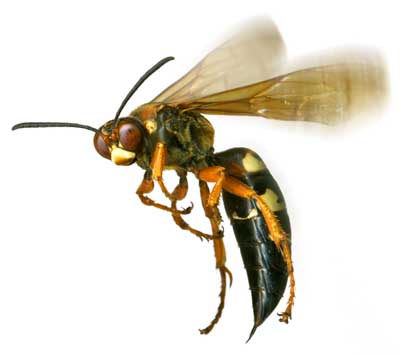


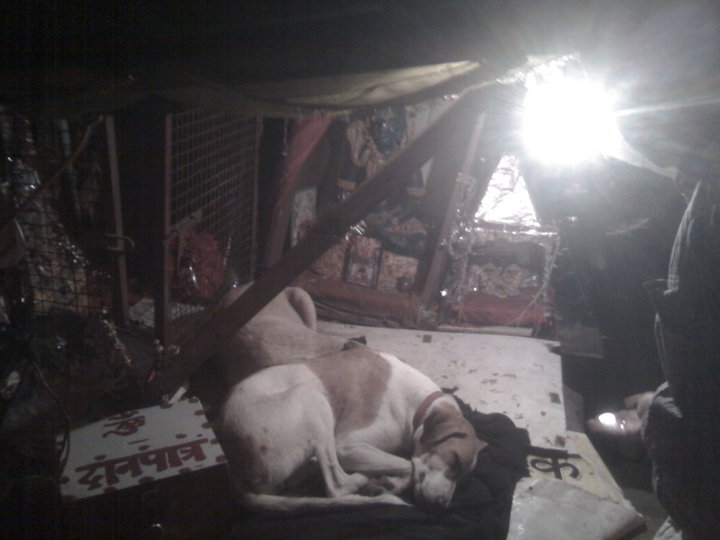

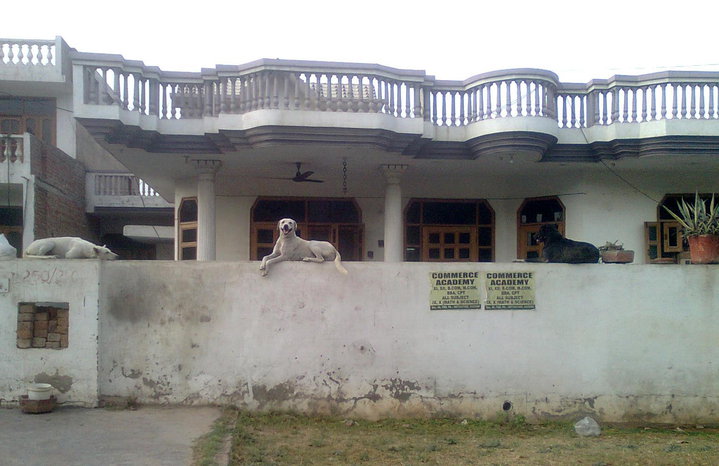

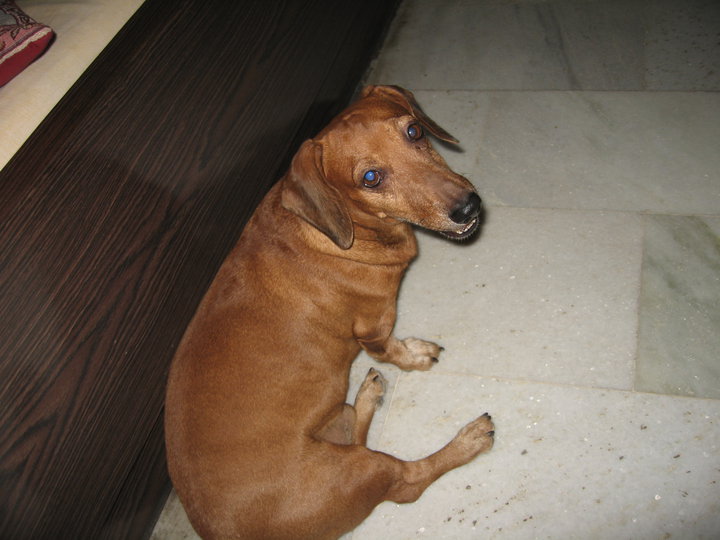





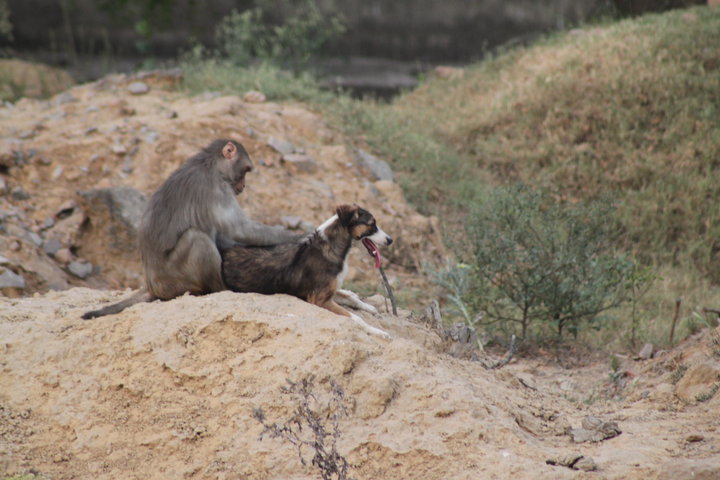
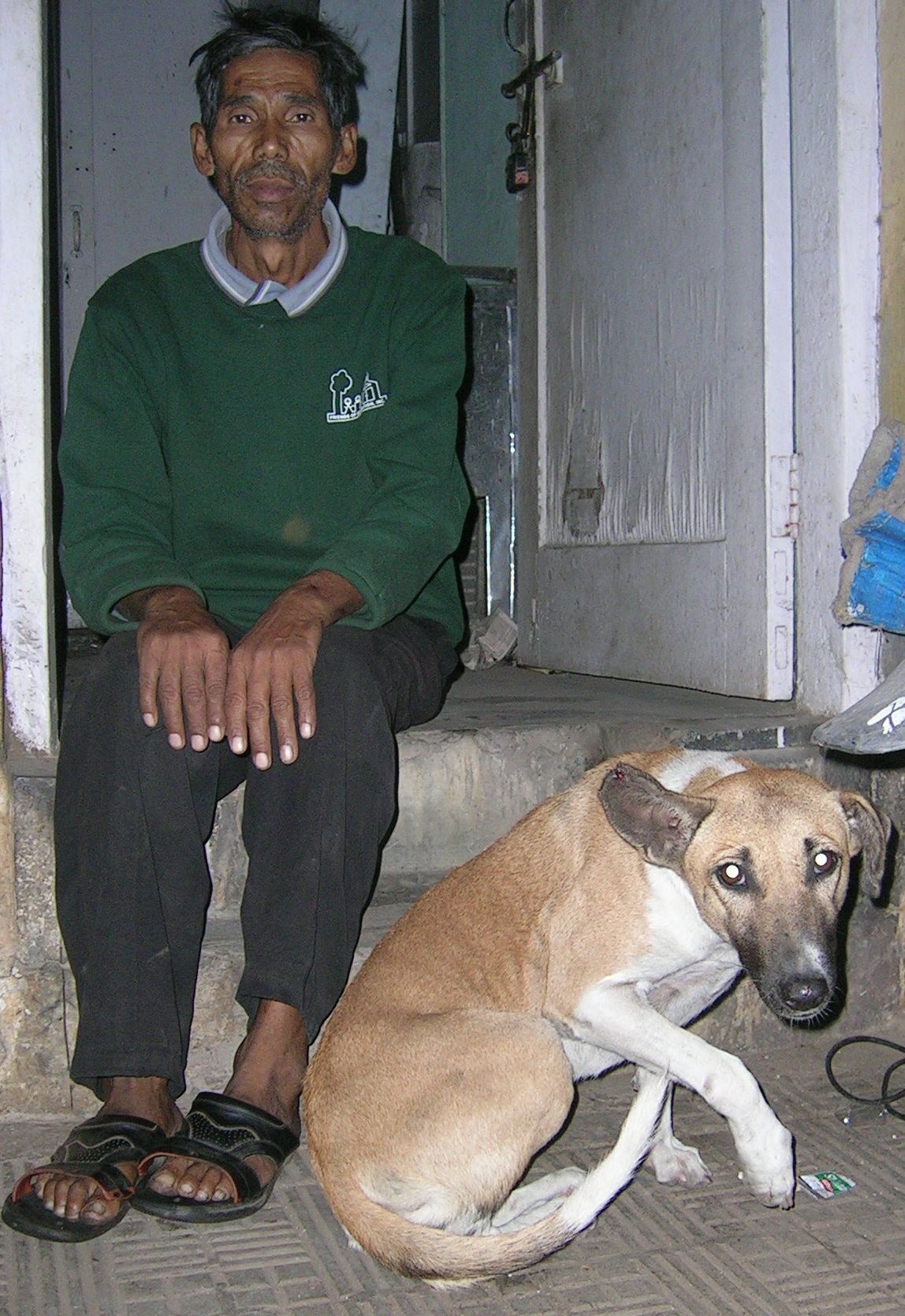
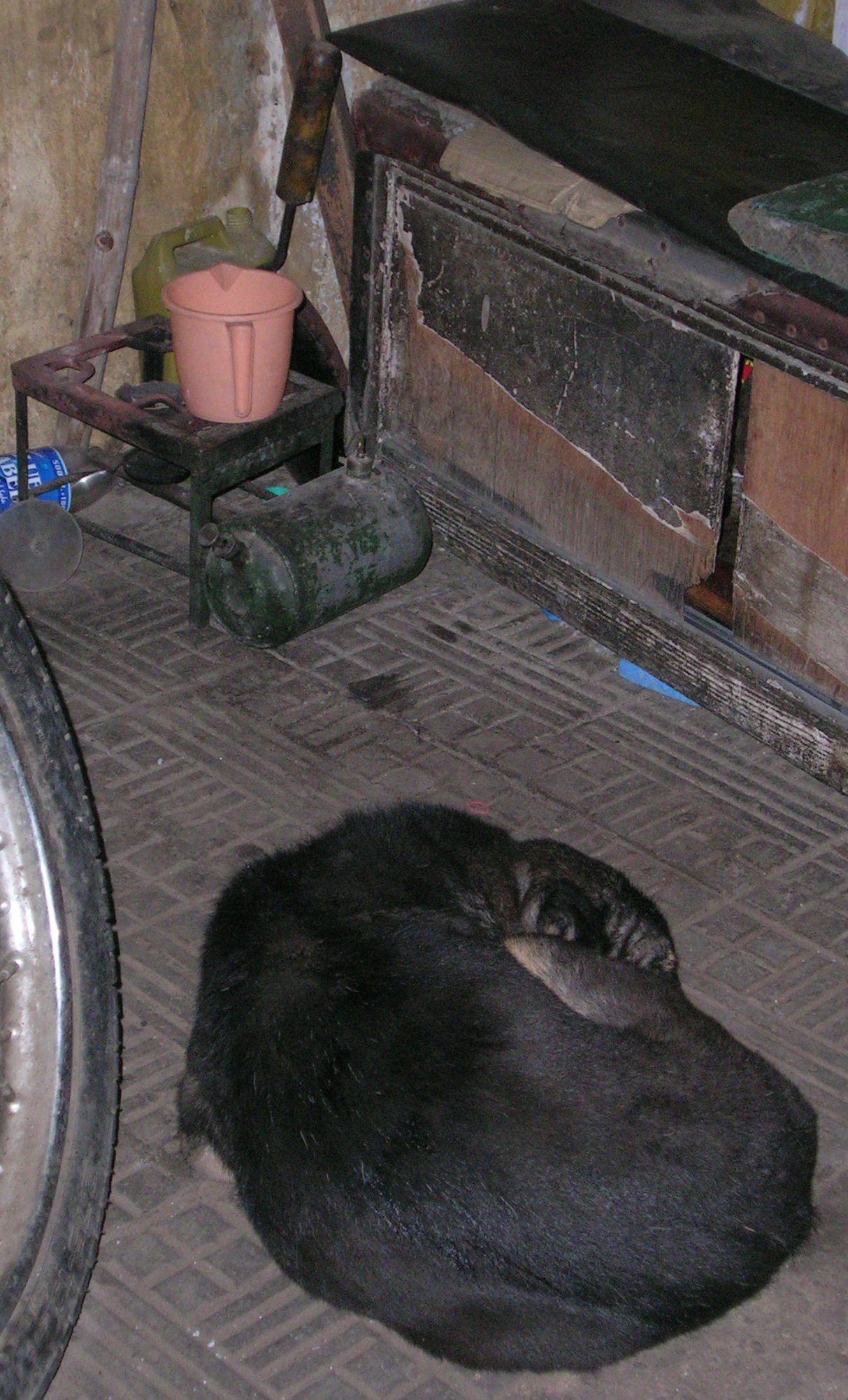

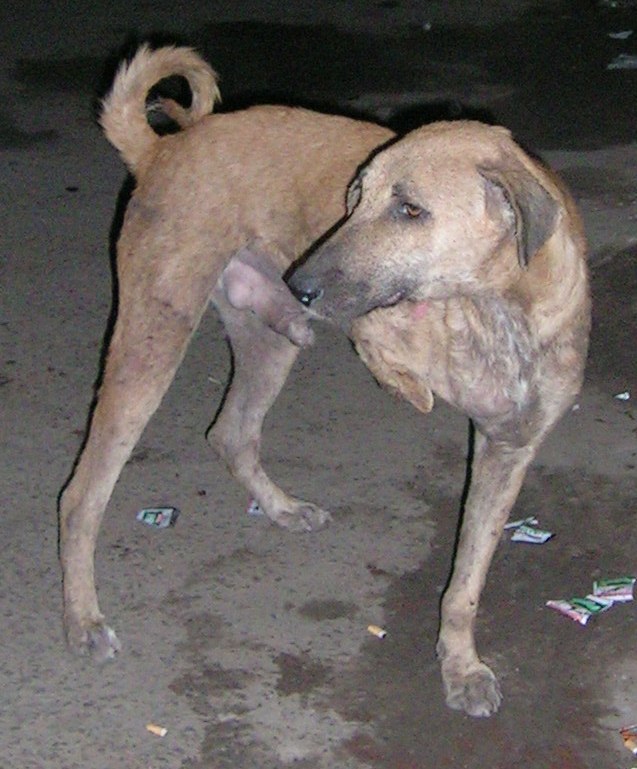
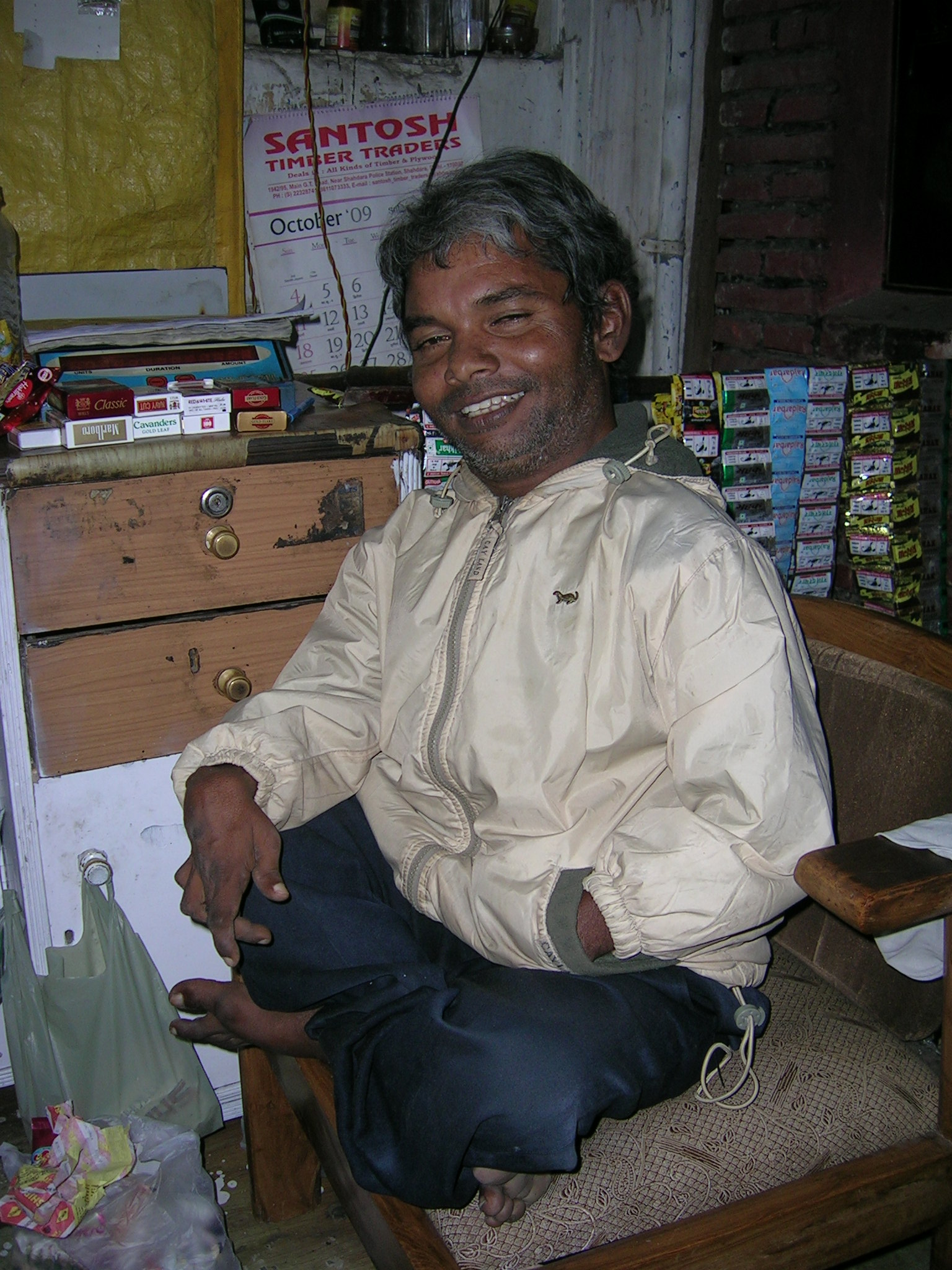
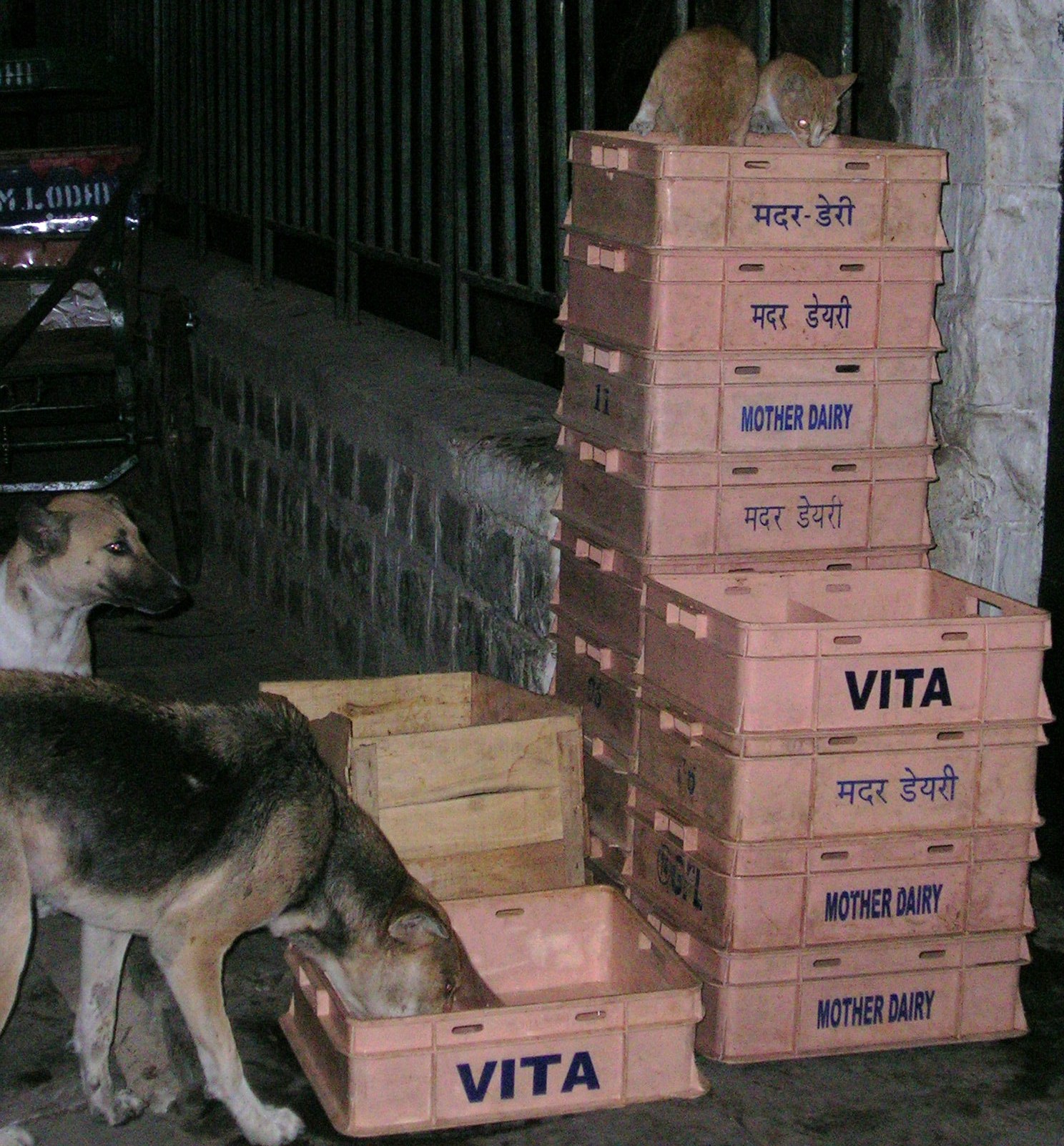
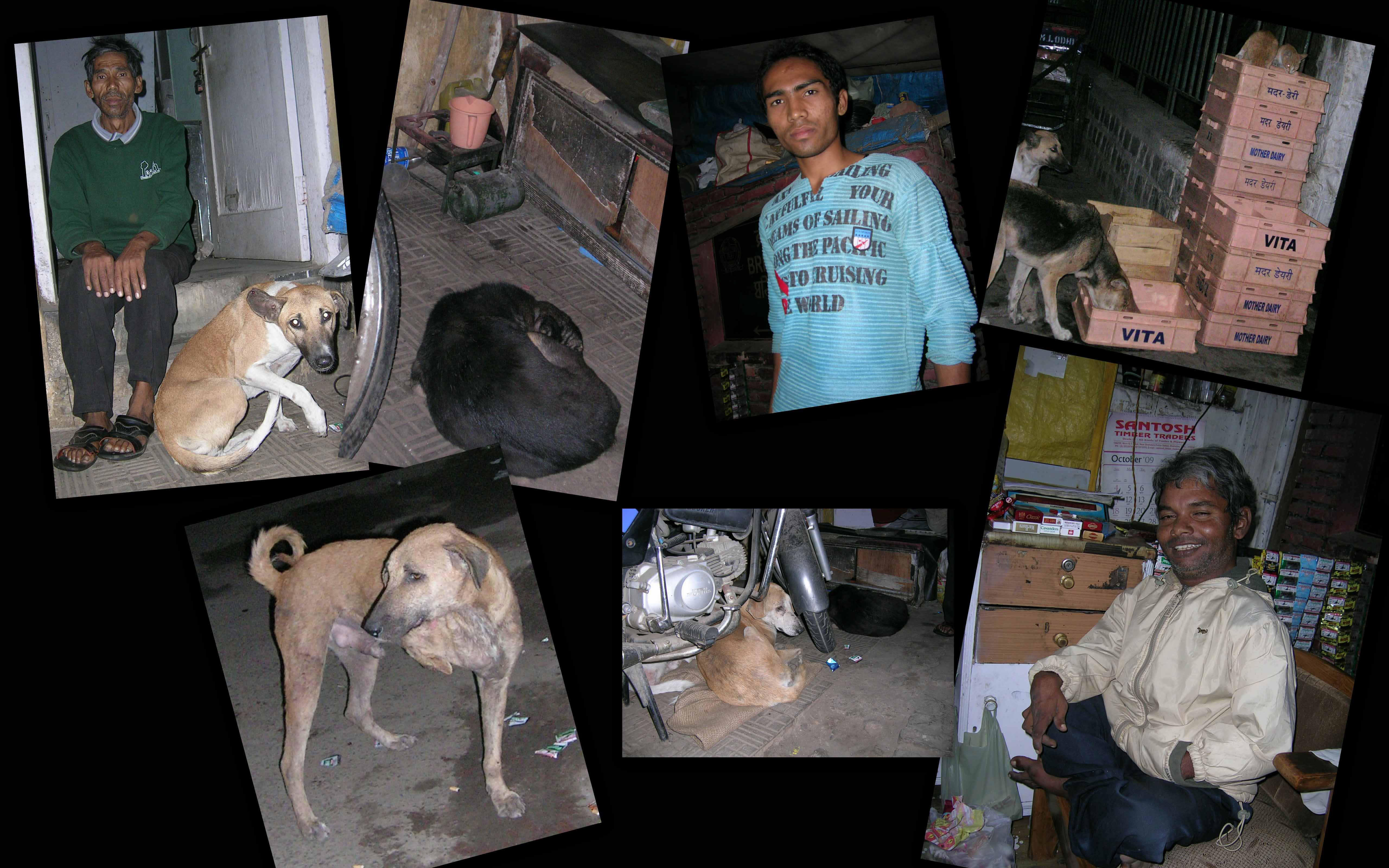

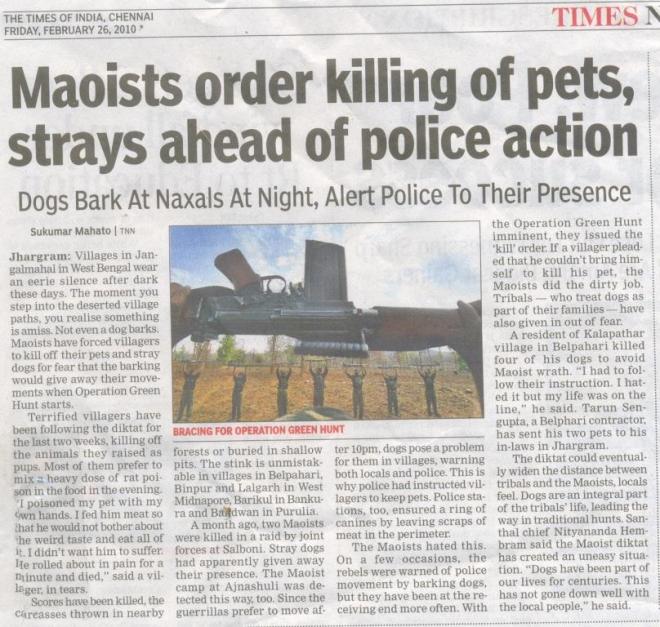
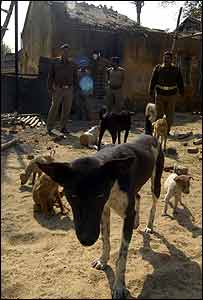
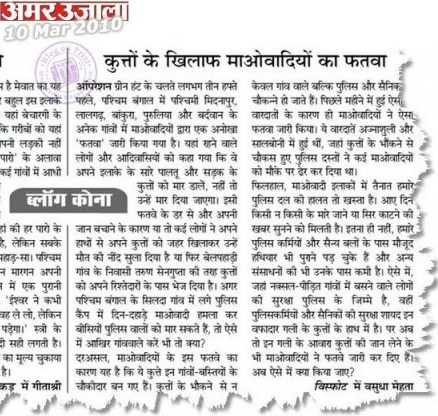
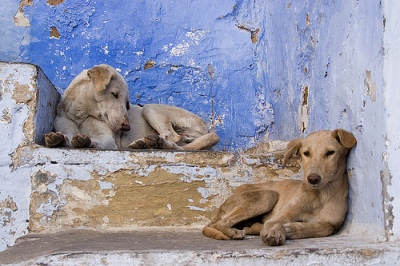

 JAAGRUTI® -
